
When “Doing Everything Right” Still Isn’t Enough
You cut calories. You clean up your diet. You exercise more than ever. You do everything the experts tell you to do — and yet your body refuses to cooperate. The scale stalls, your energy drops, and food starts to feel like the enemy. At some point, frustration turns into self-doubt: “Is my metabolism broken?”
For millions of people, this experience isn’t imagined — it’s biological. Research shows that repeated dieting and prolonged calorie restriction can cause metabolic adaptation, a survival response where the body burns fewer calories to conserve energy. A landmark study published in Obesity found that participants who lost large amounts of weight experienced long-term metabolic slowdown, even years later . This means the harder you push, the more your metabolism may push back.
Liam Hayes lived this exact cycle. Years of strict diets and aggressive fat loss left his metabolism suppressed, his energy depleted, and results non-existent. What finally changed wasn’t another diet — it was shifting the goal from losing weight to repairing his metabolism. Using science-based principles, Liam rebuilt metabolic function first — and fat loss followed naturally. This article breaks down why your metabolism may be working against you and how a structured 30-day reset can help restore balance.
The 3 Biggest Metabolism-Killing Mistakes People Make

1. Chronic Calorie Restriction
Eating too little for too long signals danger to your body. In response, your metabolism adapts by reducing energy expenditure. According to Harvard Health, this adaptive response can lower resting metabolic rate and increase hunger hormones, making long-term weight loss extremely difficult .
This often leads to:
- Slower fat loss
- Constant fatigue and cold sensitivity
- Loss of muscle mass
- Increased cravings and binge cycles
Your body isn’t sabotaging you — it’s protecting you.
2. Excessive Cardio Without Recovery
Many people try to compensate for stalled fat loss by doing more cardio while eating less. Unfortunately, this combination dramatically increases cortisol, the body’s primary stress hormone.
Chronically elevated cortisol has been shown to impair thyroid function, disrupt insulin sensitivity, and encourage fat storage — especially around the abdomen. Over time, this undermines metabolic health rather than improving it.
3. Ignoring Hormonal Feedback
Traditional dieting reduces metabolism to a math equation. In reality, fat loss is regulated by a complex network of hormones including leptin, insulin, thyroid hormones, and cortisol.
When these hormones are suppressed or dysregulated — often due to repeated dieting — fat loss resistance becomes inevitable. As explained by the Mayo Clinic, sustainable weight regulation requires hormonal balance, not extreme restriction .
Why Traditional Diets Fail for Metabolic Health

Most diets are designed for speed, not sustainability. They focus on short-term results through severe calorie cuts or rigid food rules. While this may produce quick changes on the scale, it often damages metabolic flexibility — the body’s ability to efficiently switch between fuel sources.
Over time, traditional diets can lead to:
- Weight regain (often more than was lost)
- Reduced metabolic rate
- Psychological burnout
- Loss of lean muscle
This is why so many people feel like dieting “works at first” and then suddenly stops working altogether.
The Science Behind Metabolic Reset Principles

A true metabolic reset isn’t about shocking the body — it’s about restoring trust between you and your biology.
Science shows that metabolism can recover when:
- The body receives enough energy consistently
- Muscle mass is preserved or rebuilt
- Stress signals are reduced
- Hormones are given time and nutrients to normalize
This doesn’t mean uncontrolled eating. It means strategic nourishment.
Key principles behind metabolic repair include:
- Adequate calorie intake (not chronic deficits)
- Balanced macronutrients
- Strategic refeeds
- Strength-based movement instead of endless cardio
- Consistency over intensity
When applied correctly, these principles tell your body: “You’re safe. You don’t need to conserve energy anymore.” That’s when fat loss becomes possible again.
Introducing the 30-Day Metabolic Reset Framework

The 30-day framework developed by Liam Hayes is designed to do exactly that: repair first, then optimize.
Instead of asking, “How can I eat less?” this framework asks:
- How can I support my metabolism daily?
- How do I reverse diet damage?
- How do I lose fat without fighting my body?
Over 30 days, the system focuses on:
- Metabolic normalization
- Hormonal balance
- Sustainable fat loss
- Restored energy and confidence
This isn’t a detox or crash plan. It’s a structured reset built on proven physiological principles.
Real Success Stories and Transformations

People who follow this approach often report something surprising — results without suffering.
Common outcomes include:
- Weight loss after long plateaus
- Increased energy and warmth
- Reduced cravings and food obsession
- Improved mood and sleep
- A feeling of finally working with their body
Many users come from years of failed dieting, believing their metabolism was “broken forever.” What they discover is that their body wasn’t broken — it was protecting them.
How This Works Without Extreme Measures

There are no starvation phases.
No endless cardio.
No cutting entire food groups to survive on willpower.
Instead, the system focuses on:
- Eating enough — consistently
- Training smart, not excessively
- Understanding metabolic feedback
- Adjusting based on real responses
This approach removes fear around food and exercise. It replaces chaos with clarity.
And most importantly, it’s sustainable.
Why Now Is the Best Time to Start
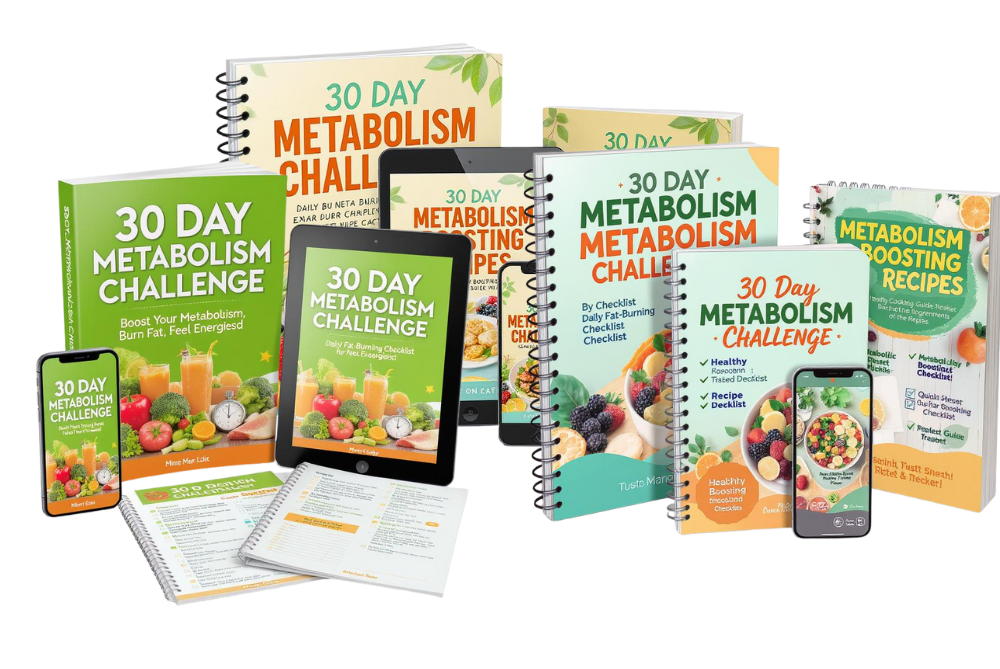
Right now, the complete 30-Day Metabolic Reset system is available as part of a limited-time flash sale, offering exceptional value for anyone who feels stuck, frustrated, or defeated by traditional dieting.
What You Get in the Complete System
- The full 30-Day Metabolic Reset Framework
- Step-by-step guidance for metabolic repair
- Clear nutritional structure without restriction
- Training guidelines that support metabolism
- Bonus resources to accelerate results
Your Metabolism Is Not the Enemy

If you’ve been blaming yourself for lack of results, it’s time to stop. Your metabolism isn’t broken — it’s responding exactly as it was designed to.
When you stop punishing your body and start supporting it, everything changes.
If you’re ready to:
- Stop fighting your metabolism
- End the cycle of dieting and regain
- Feel energized, confident, and in control again
Your body has been waiting for this approach.