For gardening, we often think that we need a lot of land, expensive tools, and a lot of time, but that’s not the case anymore. Modern container gardening techniques and innovative ideas have made it possible for the average person to grow a surprisingly large amount of food in even the smallest of spaces, in their apartment, compact yard, or anywhere else, to help combat rising grocery prices, and control what you eat.
Gardening can be so practical, and as little as 100 square feet can generate a saving of $3,000 a year, this book, will take you through the fundamentals of compact gardening, comparing the cost of store-bought food and homegrown produce, and show you how people in the know, are reaping in the benefits of well-structured and simple-to-follow gardening systems, such as ‘The 5-Minute Garden’, The Complete Small-Space Food Production System.
Why Gardening in 100 Square Feet Works
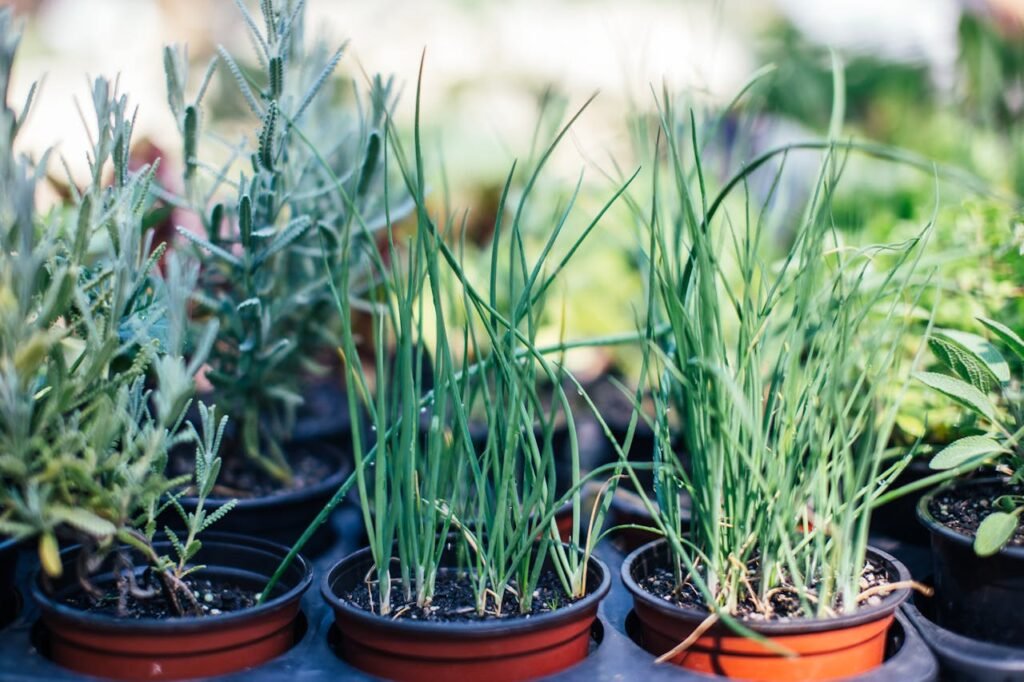
Regarding gardening, the general perception is that you need a huge area of land to produce a significant amount of food. However, efficient gardening is all about maximizing the space you have, by making the most of modern container gardening techniques and cleverly laid out backyards.
Well-known methods such as vertical growth, densely planting and picking the right crops, allow us to squeeze out a lot of produce from a very small space, and in urban and suburban areas, where space is at a premium, this is especially useful.
According to the USDA, home gardening can knock down grocery bills, while also increasing our access to fresh produce.
The Core Principles of Small-Space Gardening
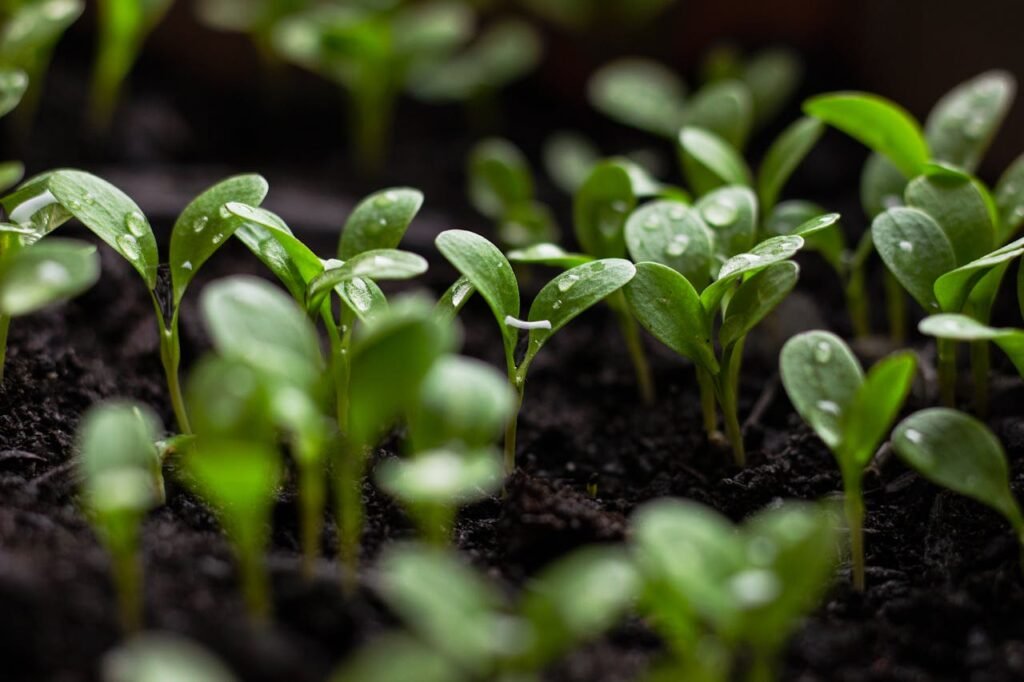
Speaking of gardening, being efficient is the name of the game, especially in small spaces. By using containers, you can precisely control the soil, moisture and nutrients that your plants need. Coming racing around the house to move them to get enough sunlight is also made much simpler.
Well-known small yard layouts can really pay off, and the way you design your space will make every inch count. Raised beds, vertical trellises and compact arrangements are all top garden ideas for getting the most out of your space.
Now, not all crops are created equal when it comes to returns on investment. Leafy greens, herbs, tomatoes, peppers and climbing vegetables are the ones that give the biggest financial boost, and they love being grown in containers. They require hardly any space and pump out a continuous supply, and intelligent garden ideas are all about growing the things that you regularly buy at the store.
Container Gardening: The Backbone of Small-Space Food Production
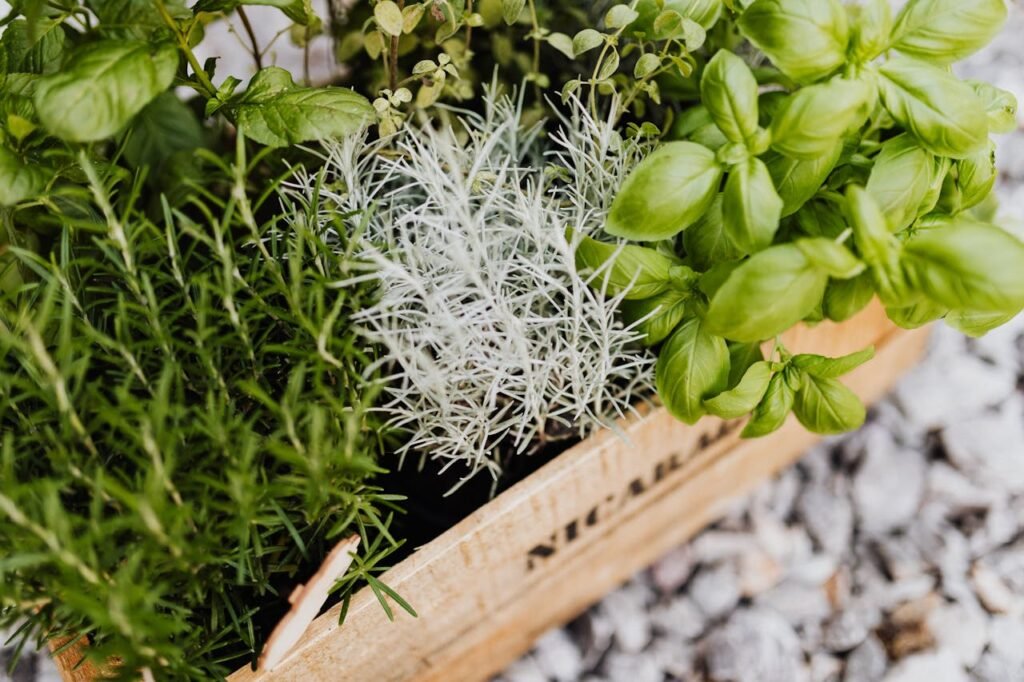
With respect to small space gardening, container gardening is basically the way to go. Coming racing out into the garden isn’t always an option, but containers can be placed anywhere. On a patio, a balcony, a deck, even on a windowsill.
With container gardening you’ve got a lot of control over the soil, weed problems are practically eliminated, and you can use up to 50% less water, plus you’ll be able to coax a higher yield out of each plant.
When combined with clever ideas and well-designed small backyards, container gardening can be scaled up, turning a hobby into a reliable system.
Small Backyard Landscaping for Maximum Food Yield
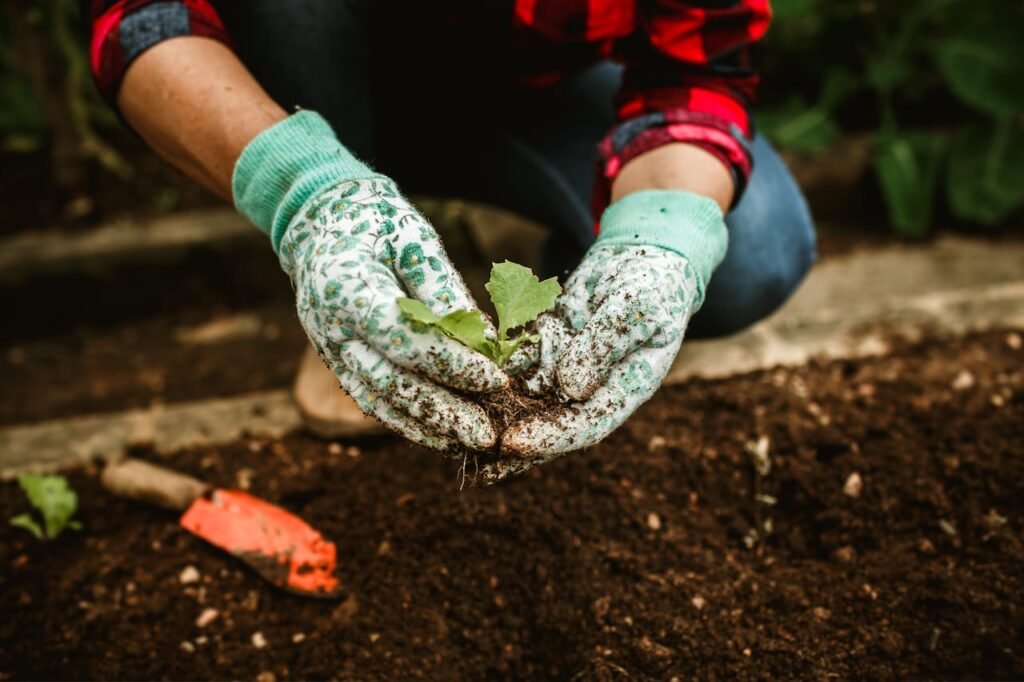
With respect to small backyard landscaping, its about efficiency and getting the most out of the space you have. Well-known productive gardening layouts are designed to soak up sunlight, bring in fresh air and make the area easily accessible.
Three fundamental principles are essential in small backyard landscaping, vertical growth, narrow pathways and zoning by water requirements, plus the use of fences and walls to encourage growth.
For the biggest savings, we’re looking for garden ideas that multiply our harvest, such as planting for a continuous yield. Succession planting in particular allows us to chop off and re-grow crops that can produce multiple harvests.
Other garden ideas that are multiplying the return on your investment are interplanting fast-growing crops, growing upwards instead of outwards, and harvesting your greens at an early stage.
Cost Breakdown: Store-Bought Food vs Homegrown
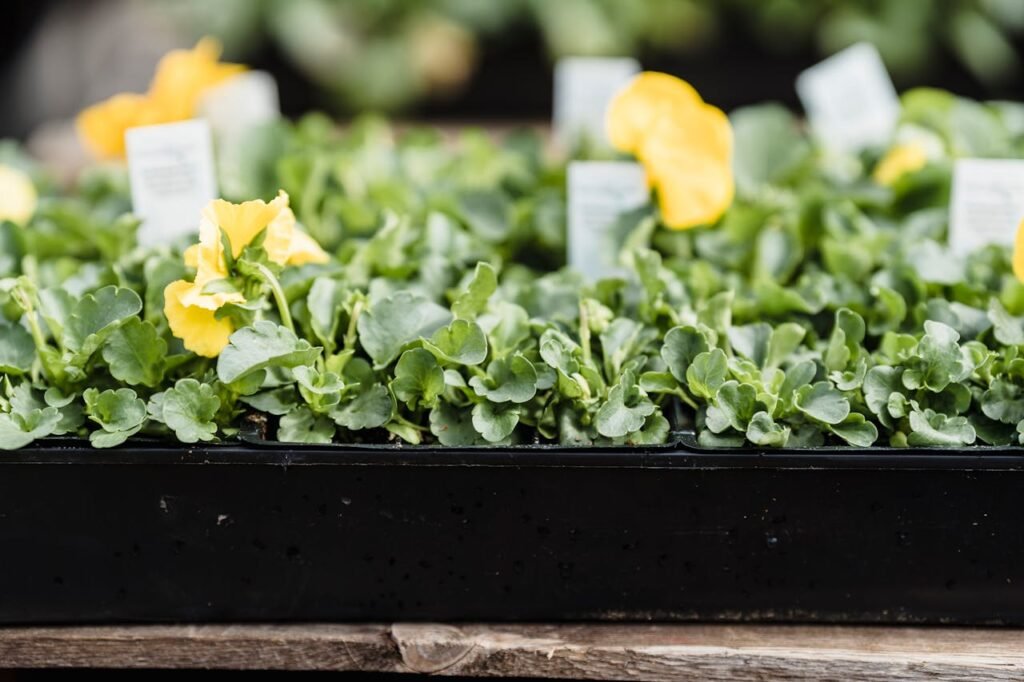
Regarding buying produce, grocery store prices are going up and organic has become a real strain on the family budget.
Average annual expenses for household produce can add up to $1,200 for greens, $800 for tomatoes and vegetables, and $600 for herbs and specialty items. Coming in at well over $2,600 a year.
Well-known as a viable alternative, home gardening can also be cost-effective. A brand-new gardening setup requires an initial investment, which could be anywhere from $200-$300 for containers and beds, plus $100 for soil and compost, and $50-$100 for seeds and seedlings.
But after the first year, most gardening systems come in at less than $100 per year, because, container gardening and reusable layouts really take off, making it not just a hobby, but a saving grace.
How 100 Square Feet Can Save $3000+ Per Year
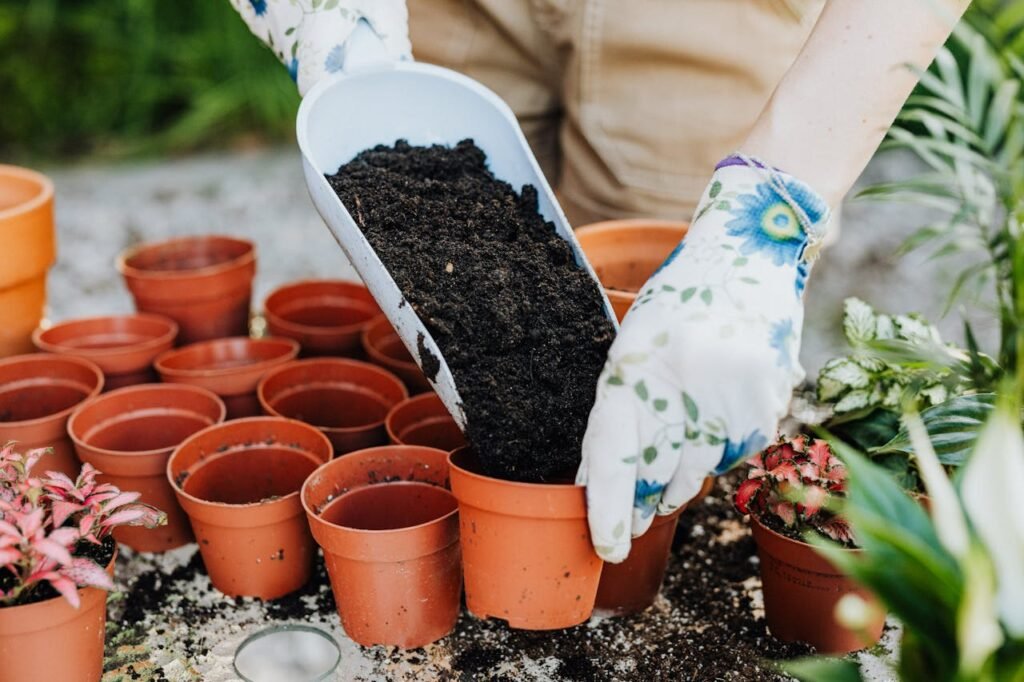
You can turn that space into a veritable goldmine, when planting high-value crops in a small space.
Coming in at a tiny 100 square feet, a garden can be expected to produce a year-round supply of leafy greens, multiple tomato harvests, continuous herbs, and a variety of peppers, cucumbers and beans, all the time. Paired with innovative garden ideas and clever container gardening techniques, the savings add up and soon become very compelling.
Well-known success stories are legion: an urban apartment dweller who started using container gardening on his balcony, for example, reported saving over $2,500 annually.
A family with a 120 square foot yard redesigned their small backyard, reduced their grocery spending by nearly $3,400 in just one year, and showed that the investment pays off spectacularly.
Then there’s a full-time professional who, with a simplified system and 9 minutes of daily effort, is able to feed herself fresh food, and prove that success is more about clever techniques than hours and hours at work in the garden.
Why “The 5-Minute Garden” System Works
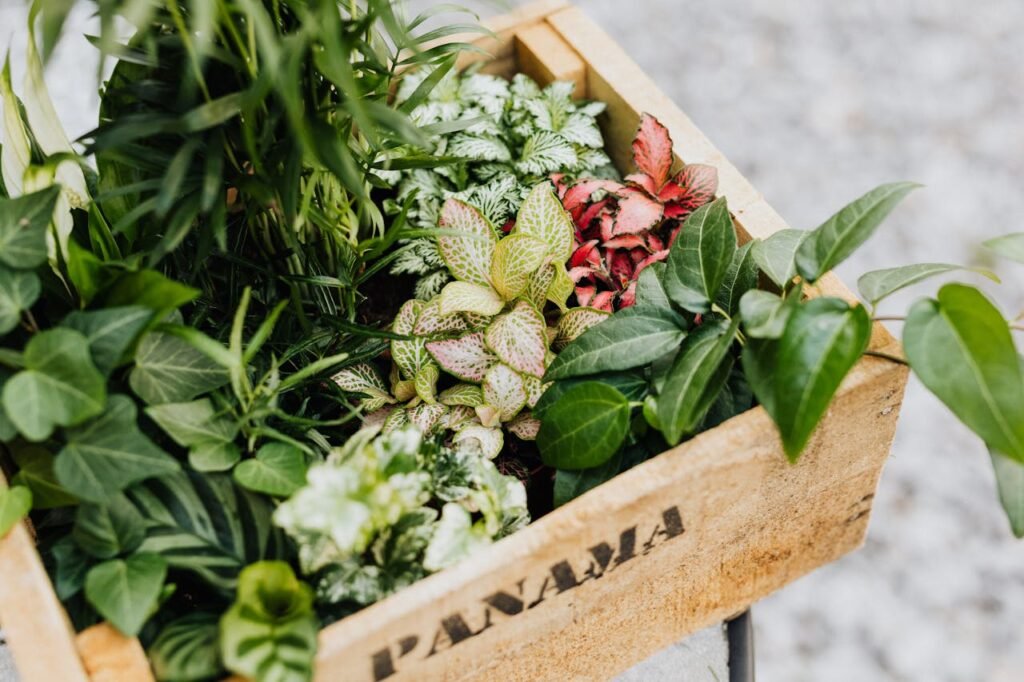
In the case of gardening, the “5-Minute Garden” system is the ultimate solution for those looking to produce high yields with minimal effort, without sacrificing much time.
This system lays out a series of low-efficiency daily routines, efficient container gardening setups and proven small backyard landscaping plans. The recipes are high return and meant to give anyone results, without them having to spend hours in the garden.
It’s different from other gardening books that stress lengthy, time-consuming activities.
The 5-Minute Garden system is built on ideas of time efficiency, maintenance that is basically nothing, and growing more crops in a smaller space. It’s really designed for the fast-paced modern life and tiny backyards.
The system makes it all click into place, giving you a consistent outcome, all you need is five minutes a day to look after a very productive garden, when the planning and crop choices are sorted out. Even newbies can manage it.
This system is basically tailored to people who live in apartments, have small homes, work long hours, or are families seeking a stable source of fresh produce.
Environmental and Health Benefits of Gardening
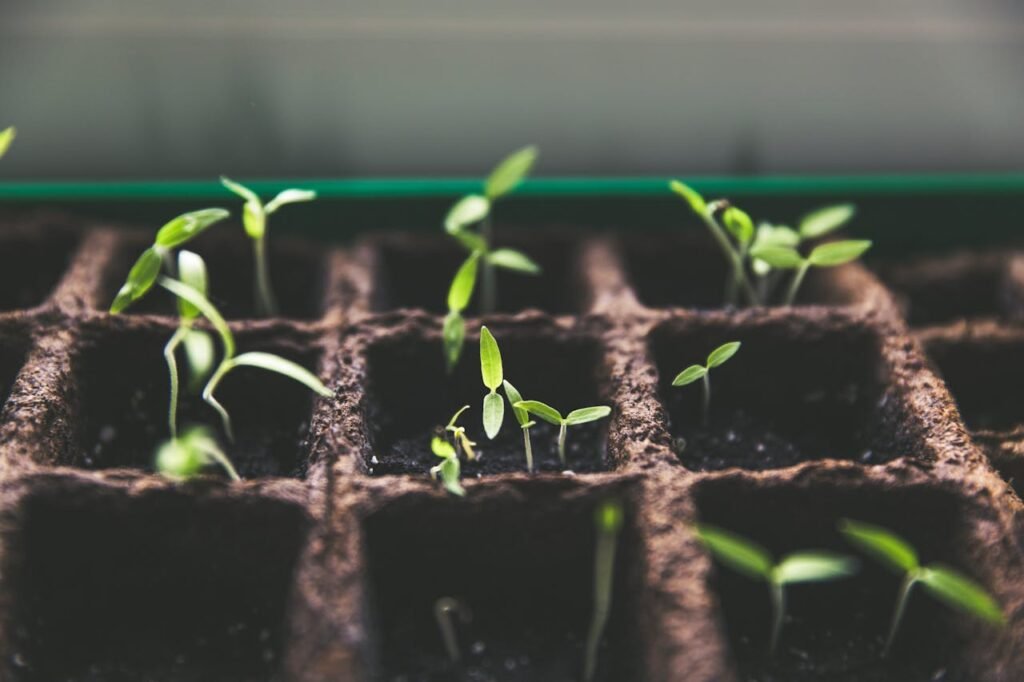
Concerning the advantages of gardening you’ll notice improvements in the quality of the food you eat, the levels of vitamins and nutrients in that food and the sustainability of your environment. Since homegrown produce eliminates the need for packaging and transportation, it’s also a big step in reducing waste and emissions.
According to Harvard Health Publishing’s, research on the health benefits of gardening is available and well-respected.
Well-known myth is that container gardening doesn’t live up to the productivity of traditional gardens, but in reality, the better control of soil and water in containers can often see them outperform their traditional counterparts.
When getting started it’s essential to start small, to learn and expand gradually. Structured garden ideas can be very helpful, they’ll cut down on the stress and raise your chances of success.
Since gardening isn’t a short-term activity, it is an investment that will yield reliable results year after year, and can be built up gradually.
Why a Complete System Matters
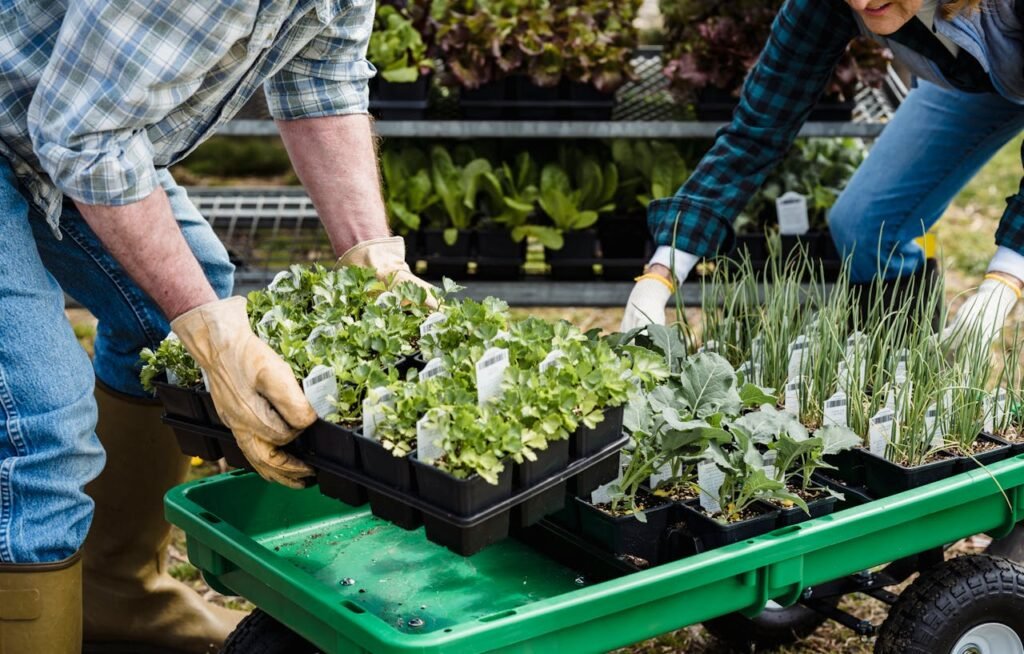
For gardening, a scattergun approach doesn’t cut it anymore, we need a cohesive plan that fuses the principles of gardening, container gardening and small backyards into something holistic.
Well-known as “The 5-Minute Garden”, The Complete Small-Space Food Production System is basically the go-to for those who want to save money, eat better and take charge of their food supply.
The system takes a proven path to bring together efficient gardening techniques, practical container gardening, clever small backyard landscaping, and extremely productive garden ideas in a neat and simple way.
The real question is, how much value can be produced from a relatively small space, 100 square feet for instance,.
The answer is in the thousands of dollars every year. And if you don’t want to throw away money on guesswork, “The 5-Minute Garden” gives you a crystal clear plan, the know-how, and faith to see your vision through to the end.