Container Gardening for Beginners: A Simple Way to Grow Food as an Apartment Dweller or Renter
They often assume they need a spacious backyard, a raised bed, or a permanent outdoor space to grow their own food, when people think of gardening. But container gardening shows them that they can still achieve this goal even in the smallest of spaces, and doesn’t require a specific location either, a balcony, a patio or a sunny windowsill will do.
As a beginner, a flexible, creative approach is necessary for growing a variety of herbs, vegetables and even fruit in a container, and apartment dwellers, and renters, who have been stopped by uncertainty before, should know that container gardening is very easy to pick up, doesn’t need much digging, fixed installations, or know-how.
All you need is a desire to start small and figure things out as you go along.
Coming from the mindset of someone who’s gone from zero to a thriving garden in a short period of time, this guide will take you through the basics of container gardening, teaching you how to choose the right pots, sort out drainage and spacing and pick out plants that love cramped spaces.
Why Container Gardening Is Perfect for Apartment Dwellers and Renters
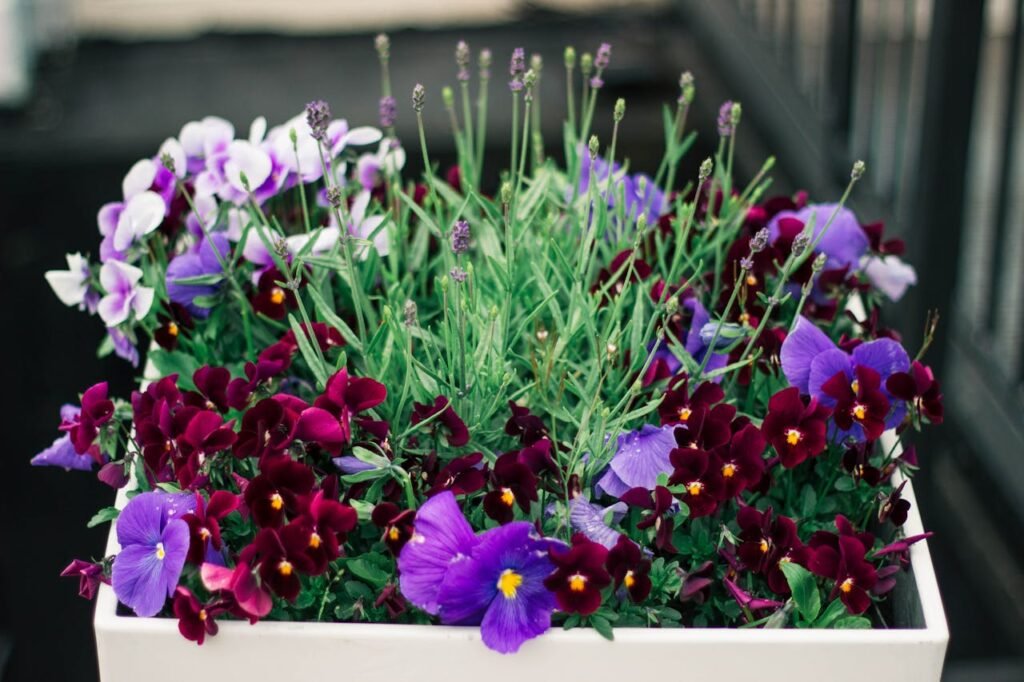
Concerning growing your own food, container gardening is a fantastic option for those who don’t own their property or may move frequently. Since your garden can literally move with you, and adapt to different spaces, the benefits of container gardening include.
Container gardens require no permanent alterations to the outside of your building, provide complete control over the soil quality and contain relatively fewer weeds and pests, which also means simple maintenance.
Coming from a maintenance point of view, it’s an excellent way to take up your green thumb as a beginner.
Basically because it’s very hard to kill plants in a pot, and space-wise, it’s capable of growing food even in the tiniest areas.
Renters are able to enjoy the flexibility that a container garden offers.
Not worrying about what the landlord has to say, and for apartment dwellers, it means squeezing every last bit out of their balconies, patios and even shared spaces.
Choosing the Right Container Types for Beginner Success
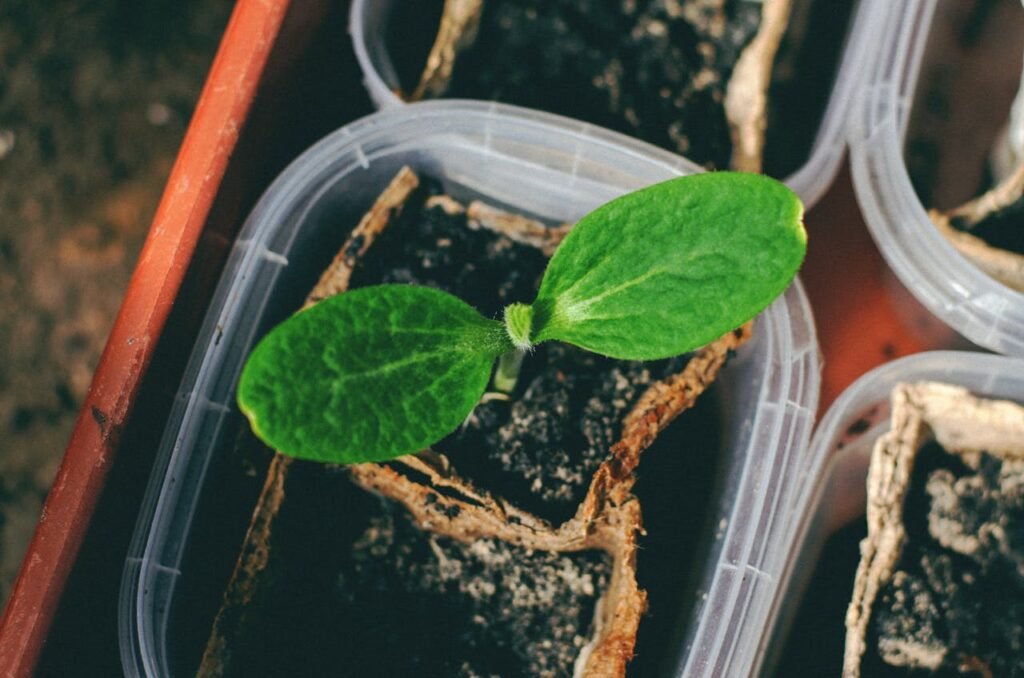
One of the most critical decisions you’ll make is choosing the right container, and the good news is that you don’t have to break the bank to do so, when starting a container garden.
Coming in at a reasonable price, plastic pots are a great choice for balcony gardening because they’re lightweight, don’t dry out easily and are excellent for people who are new to the game.
Terracotta pots are the epitome of elegance, with the added benefit of being breathable, but unfortunately they dry out faster. Herbs are well-suited to this type of pot.
Fabric grow bags, a favourite of container gardening newbies, are really light, inexpensive, and send your roots racing. They’re fantastic for veggies such as tomatoes and potatoes.
Old buckets, storage containers and large food-grade containers can be repurposed into planters as long as they have good drainage.
When it comes to the size of the container, bigger is basically always better, larger containers can hold a lot more soil, keep moisture in, and nurture healthier root systems.
Drainage: The Non-Negotiable of Container Gardening
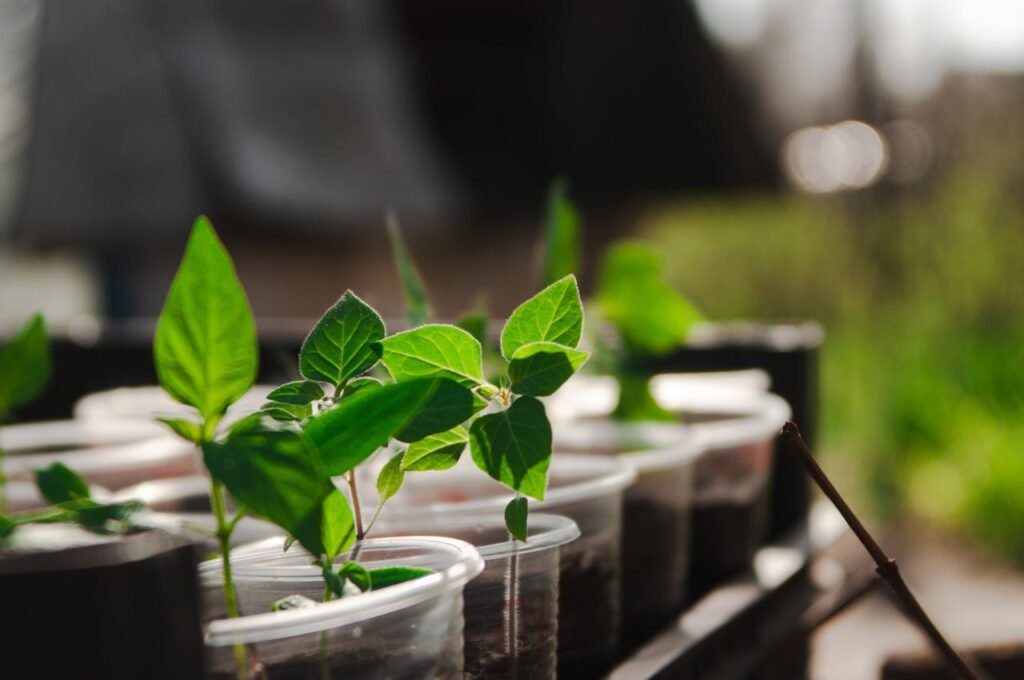
There is one golden rule that’s essential to follow, your containers need drainage, when starting a container garden. Water left at the bottom of the container causes root rot, and kills plants.
To get it right, ensure that every container has at least one drainage hole.
You can place a saucer or tray underneath the pot to catch water and protect surfaces. Elevate the container slightly to prevent water from accumulating. Don’t make the mistake of placing rocks in the bottom of the container, they won’t cut it as a substitute for drainage holes.
Well-known as the difference between a thriving container garden and a discouraged novice, proper drainage is something all beginners should get right.
Spacing Matters (Even in Containers)
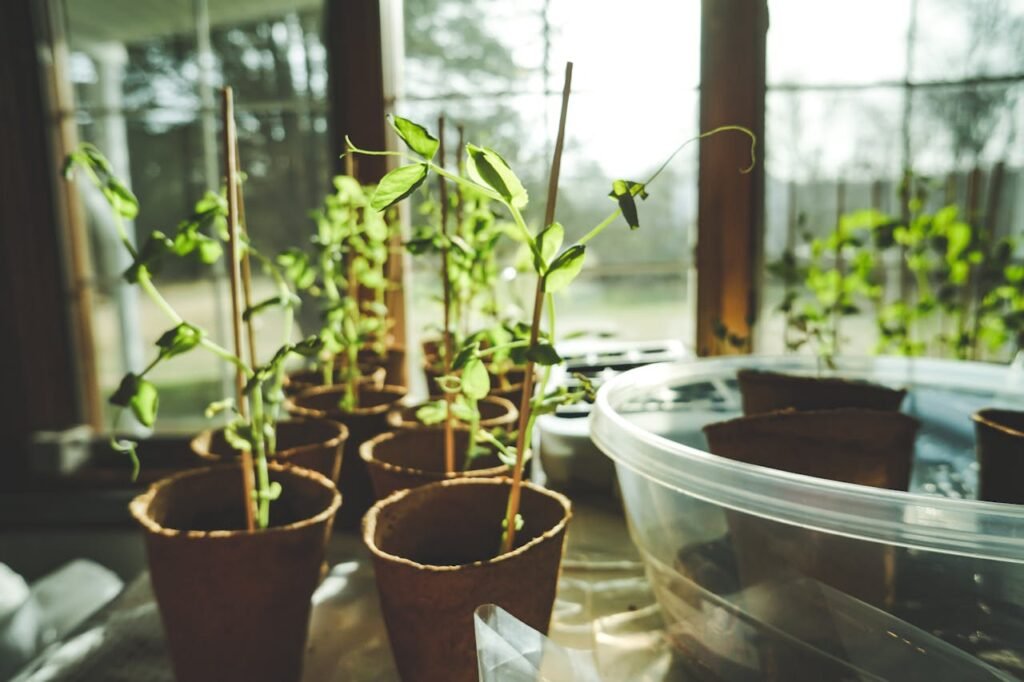
Don’t make the mistake of overloading your containers, when planting. Overcrowding leads to stagnant air, disease and weak growth, and basically cripples the ability of your plants to produce what you’re counting on them for.
Well-known spacing guidelines can be used, like one tomato plant per large container of five gallons or more, three to four lettuce plants in a medium-sized pot, and one herb plant in a small pot. Root crops, by the way, need more depth than they do width.
By giving each plant the space it needs, it’ll be able to grow stronger and more productive.
Beginner-Friendly Plants That Thrive in Containers
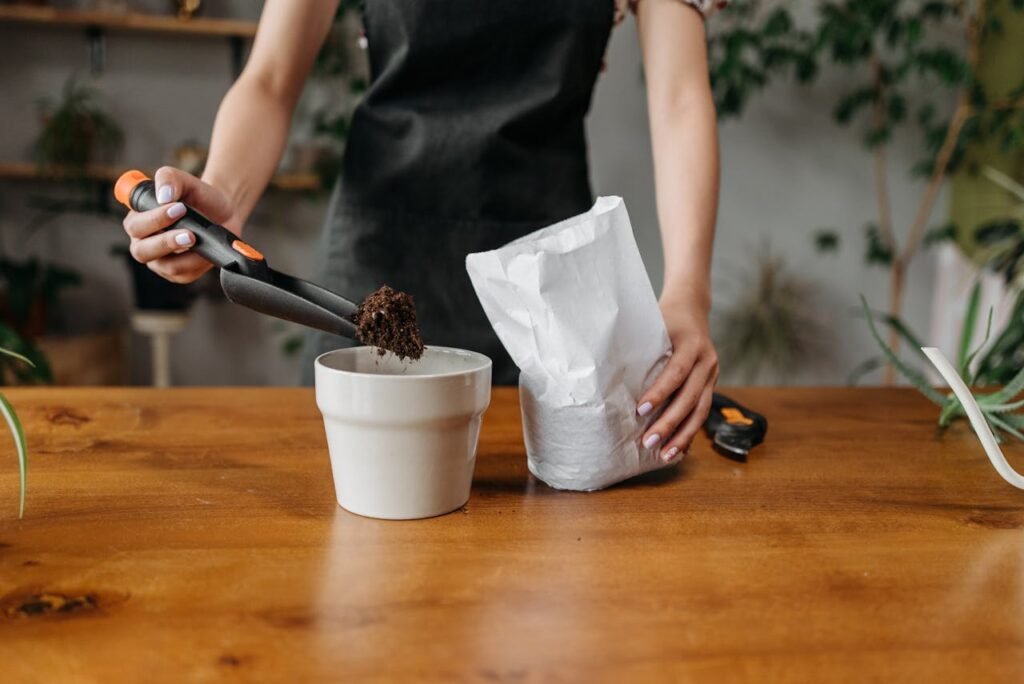
Not every plant is a good fit, when you’re new to container gardening. Plants that are forgiving, productive and grow well in a pot are best suited for a beginner, and that’s what you’ll find in the following list.
Herbs that are great for beginners include Basil, Parsley, Mint, and Chives. Mint is so invasive, it’s best grown in its own pot and checked regularly, so keep that in mind.
Leafy greens such as Lettuce, Spinach, Arugula and Kale love growing in containers, and they’re very nutritious too. Among the more substantial vegetables, Cherry Tomatoes, Peppers, Radishes and Green Onions all grow well, and if you’re feeling more advanced, Strawberries are a good option.
Sunlight, Water, and Care: Keep It Simple
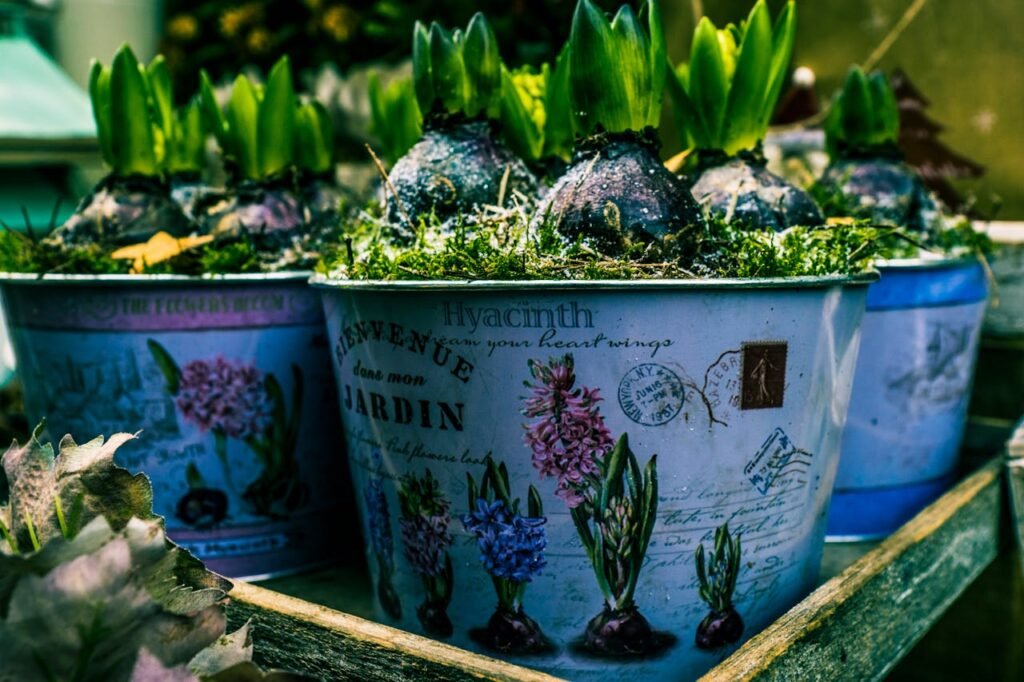
When growing edible plants on your balcony or patio you’ll want to ensure that they get at least four to six hours of sunlight every day, take a good look at the way the sun moves through your space and plan accordingly, don’t try to force anything.
Watering is also key, and since containers dry out faster than in-ground gardens, regularity is a must, check the top inch of soil to see if it’s dry, and if so, it’s time to water.
Lightly fertilising every couple of weeks will top up the nutrients that get washed out when you water and organic fertilisers that are designed for beginners are a great place to start.
Common Beginner Challenges (And Easy Fixes)
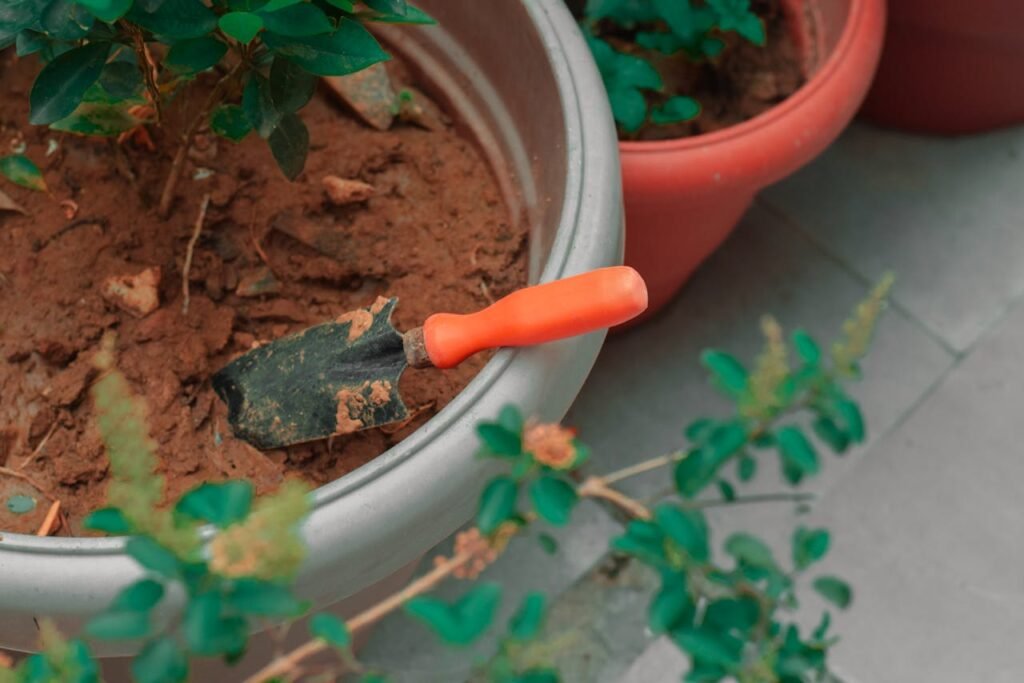
Looking at your plants they’re probably suffering from a lack of nutrients, or too much or too little water.
If the soil is drying out too quickly, a larger pot or a layer of mulch can be the answer. Coming hustling over from the house to check on them every five minutes isn’t necessary, so leafy greens and herbs are often a good choice for indoor containers as they can thrive in less sunlight.
Overwhelm is a valid reason to scale back, just stick to 2-3 containers and build from there.
Container gardening is a learning process, so it’s not about getting everything perfect.
Why a Step-by-Step System Makes All the Difference
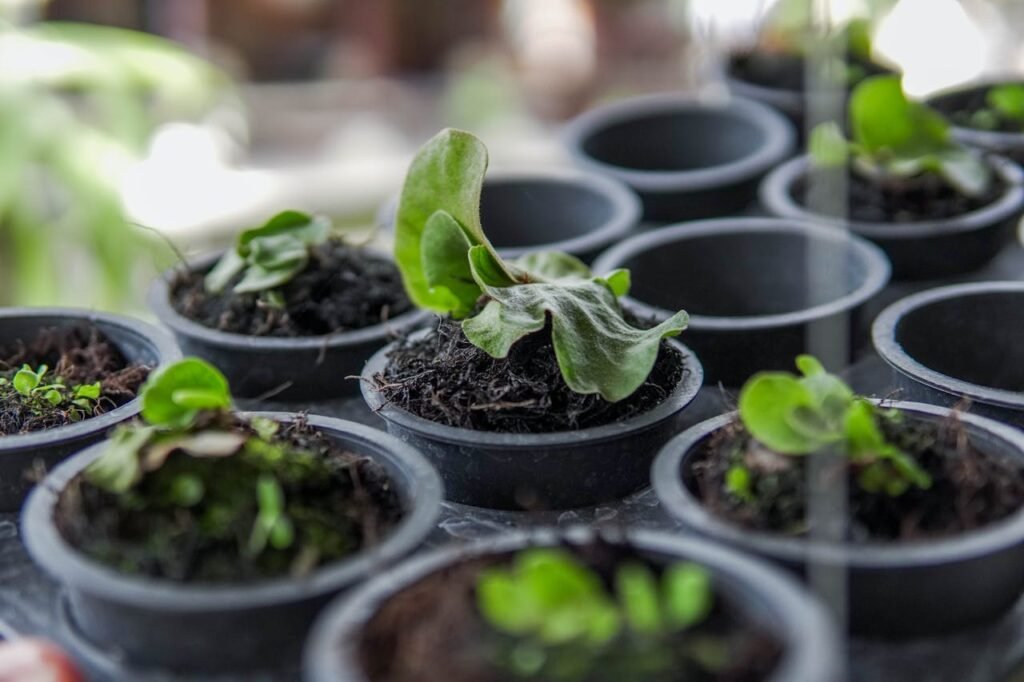
The feeling of uncertainty can be daunting, causing many to abandon their plans, when starting a container garden. One thing that’s a game-changer is having a well-structured plan, that breaks down everything that needs to be done.
The Container Garden Mastery bonus does exactly that, using its holistic design to turn container size, plant choice, care schedules and even troubleshooting into clear and user-friendly steps.
Coming running over out of this uncertainty is made much easier, as is building confidence, and the Container Garden Mastery bonus is a huge time saver for small space gardening.
You Don’t Need Land to Grow Food
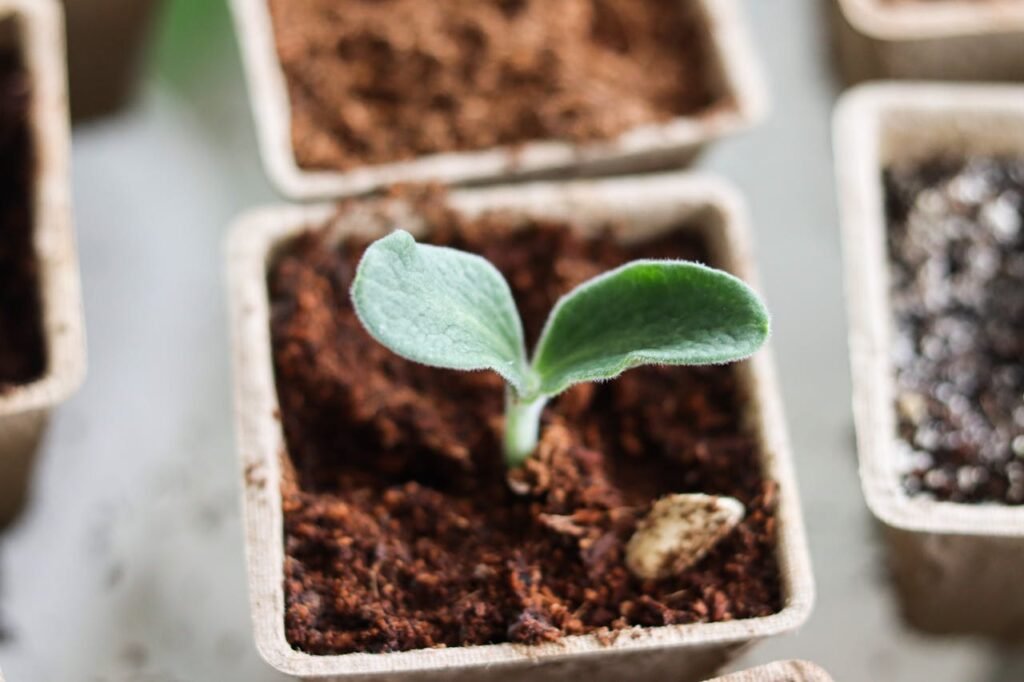
For growing your own food, container gardening is a fantastic way to prove that you don’t need a lot of space to get started. Whether you’re on a balcony, patio, or tiny outdoor space.
If you’re looking to get beyond trial and error and have a clear plan, the Container Garden Mastery bonus will give you the confidence and support you need to grow successfully, no matter how small your space is.
Your garden can be small, it just has to start.