When it comes to makeup, it’s not just about slapping on some foundation and mascara, it’s a work of art and a personal journey, evolving as you discover new products, refine your techniques and learn to bring out the best in yourself.
Coming from a beginner who’s figuring out the ropes to someone who wants to test the boundaries of bold, editorial looks, mastering makeup is a lot about more than just following the trends. It’s about understanding the fundamental principles that take any application to the next level, skin prep, color theory, brush selection and blending mastery. Building those skills opens the door to creative expression.
With the beauty industry rapidly evolving and more advanced than ever, there is no time like now to take control and level up. Learning from expert practitioners can turn a trial-and-error approach to progress, and The Artistry Academy Masterclass by Paula Callan is one such offering.
Offering in-depth, expert lessons and insider know-how from one of the beauty world’s highest-regarded artist, The Artistry Academy Masterclass presents a phenomenal, high-quality source for students.
I found a comprehensive, expert-level review brimming with useful advice, trade secrets, and tested techniques that you can build your makeup skills upon, if you so desire.
Skin Preparation for Makeup: How to Create the Perfect Base
Speaking of flawless makeup the key to achieving it is perfectly prepared skin, and that’s what you’ll get if you’re hydrating, balancing and priming your skin properly.
Coming from a makeup artist’s perspective, knowing your skin type is also super important.
Basically, you need to know if you have dry, oily, combination, or sensitive skin in order to choose the right products.
Well-known skincare ingredients that suit dry skin are hyaluronic acid, squalane, and ceramides, for oily skin, non-comedogenic moisturizers and lightweight gel formulations are the go-to, and those with combination skin will want to mix it up, hydrating dry areas and balancing the oilier zones. If you’re very sensitive, stick to fragrance-free and dermatologist-tested products.
The American Academy of Dermatology is a great place to learn more about skincare and to get more specific guidance on exfoliation, don’t overdo it, otherwise, your makeup will cling to every texture. Chemical exfoliation (AHA/BHA) is best done 1-3 times a week and physical exfoliation, at most, once a week, you can check out Paula’s Masterclass modules for more in-depth education on skin prep, and how makeup artists customise their prep for different skin types.
Another makeup artist technique that’s worth mentioning is the use of a primer, which extends the life of your makeup and fixes problems like dullness, excess oil or big pores, and a combination of a mattifying primer in the T-zone and a hydrating one on the cheeks is a classic, tried-and-true combination.
Makeup Colour Theory Explained: How to Choose the Right Shades for Your Skin Tone

When discussing makeup, a beautiful look is achieved by colour harmony. Experts use colour theory to cancel out undertones, even out imperfections and make features shine.
Determining your undertone is crucial, as it helps choose foundation, blush shades and lip colors.
People with warm undertones are best suited to gold jewelry, with a greenish appearance to their veins. Those on the opposite spectrum require silver jewelry that doesn’t have a red or gold tint, and look better with bluish veins.
A neutral undertone takes the best out of both worlds, as does silver or gold jewelry, because they both look great on the average person.
Colour correction is basically used by professionals every day. Green is used to calm down redness, peach/orange is used to perk up dark circles in people with medium to deep skin tones and lavender is excellent at neutralising a sallow complexion. Paula Callan’s Masterclass will explain the ‘why’ behind all of this and how you should apply it in a layered way without piling it on.
How to Apply Foundation Like a Pro: Techniques for a Smooth, Natural Finish
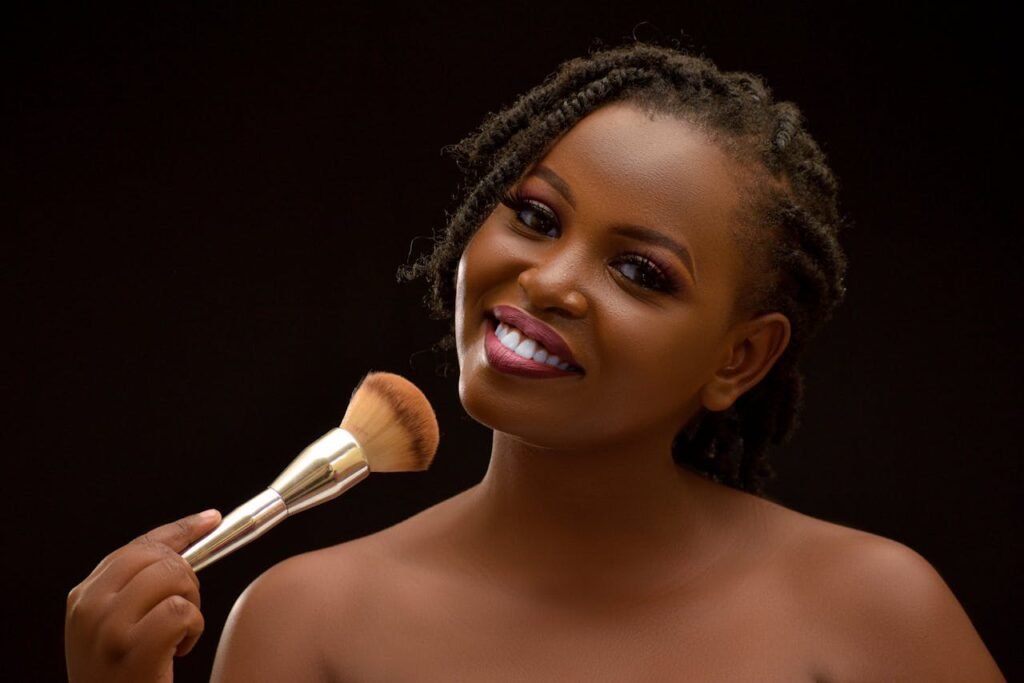
When discussing makeup, a flawless base is considered the holy grail of makeup artistry. Coming racing from the makeup counter, the idea isn’t to completely cover up the skin, but rather to give it a boost.
Sheer or light coverage is ideal for natural, glowing skin. Medium coverage is great for everyday wear and full coverage is usually for events, photo shoots or if you want to completely correct uneven tones.
Top makeup artists swear by starting with thin layers, building up coverage only where necessary and always beginning with a damp sponge for a flawless finish. They’ll tell you to use a brush to avoid streaks, a stippling motion is best and setting only the areas that tend to crease or shine.
If you’re new to makeup you can have a look at product comparisons on Into The Gloss.
Contouring and Highlighting Techniques for a Sculpted, Defined Look
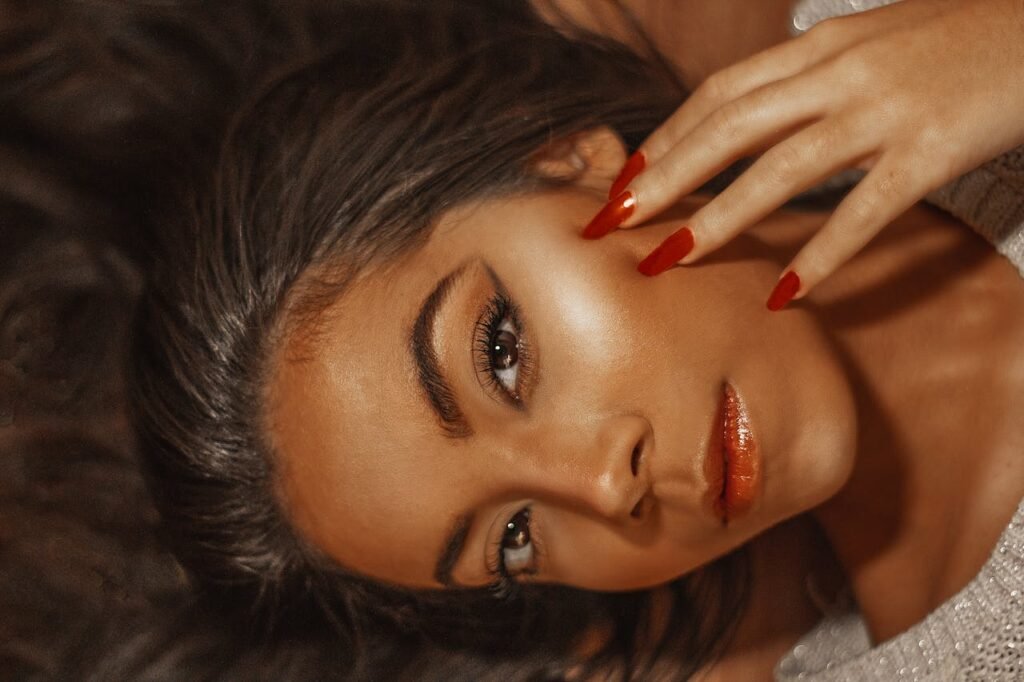
As for contouring and highlighting, the objective is to add definition to your face, not to create sharp lines.
Hollows of the cheeks, jawline, temples and the sides of the nose are the best places to apply contouring products. Conversely, tops of cheekbones, inner corners, the brow bone and the Cupid’s bow are areas that are suited for highlighting.
When it comes to texture, cream contouring and highlighting formulas are particularly natural, easy to blend and excellent for dry skin. On the other hand, powdered formulas are ideal for oily skin and can be used for extended wear.
According to the likes of pro artists, including Paula Callan, and blending a combination of powder and cream formulas is often the secret to ensuring a lengthy wearability.
Eye Makeup Techniques for Beginners and Pros: Blending, Liner & Smokey Eyes
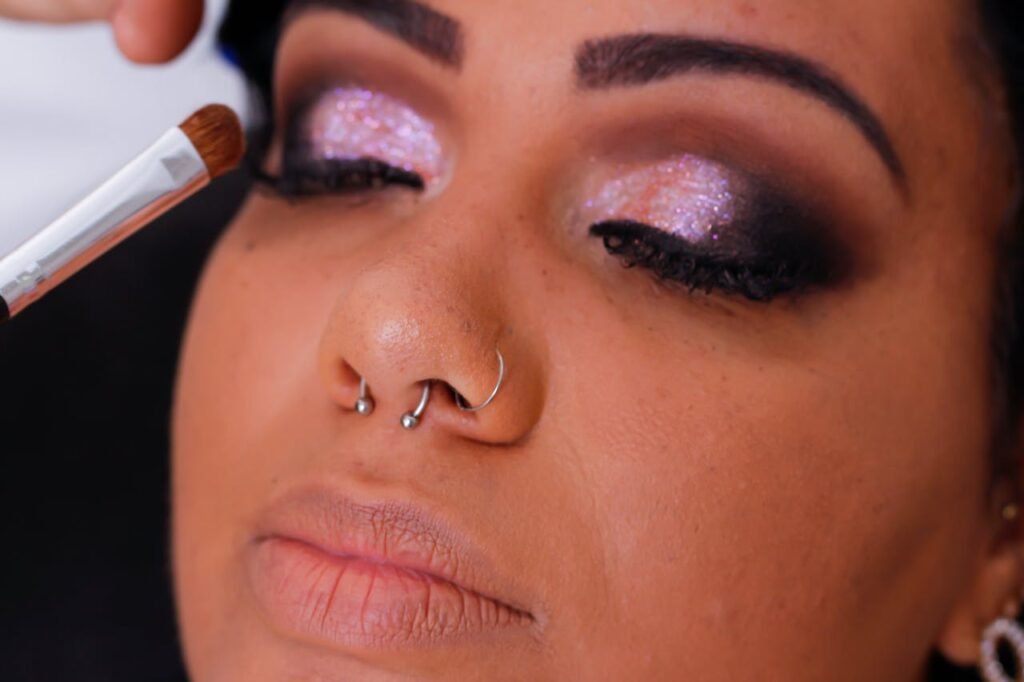
When working with makeup, the eyes are the place where technique is paramount, and one of the techniques that can create a perfect blend is using three tones in the crease area: a transition shade, a mid-tone and a deep shade. These colours should be blended with the same clean brush but in a windshield wiper motion.
Coming from the top and starting with the outer corner, you can create soft definition by dotting liner along the lash line and smudging. For winged liner, draw the wing first then run it back toward the lash line and for a tightline effect add instant intensity without visible liner.
For extra insights, check out the tutorials on Lisa Eldridge’s website, one of the world’s most respected makeup artists
Eyebrow Shaping Tips: How to Create Natural, Balanced Brows
The ideal goal is to lift the face, balance your features and add to the expression, when shaping your eyebrows.
General guidelines state that you shouldn’t overpluck, and rather stick to your natural shape, as using hair-like strokes with a pencil or pen is necessary to mimic the soft curve and fullness of a eyebrow.
A clear or tinted gel is used to set your shape in place.
Lip Makeup Techniques: How to Choose Colours, Line Lips & Create Volume
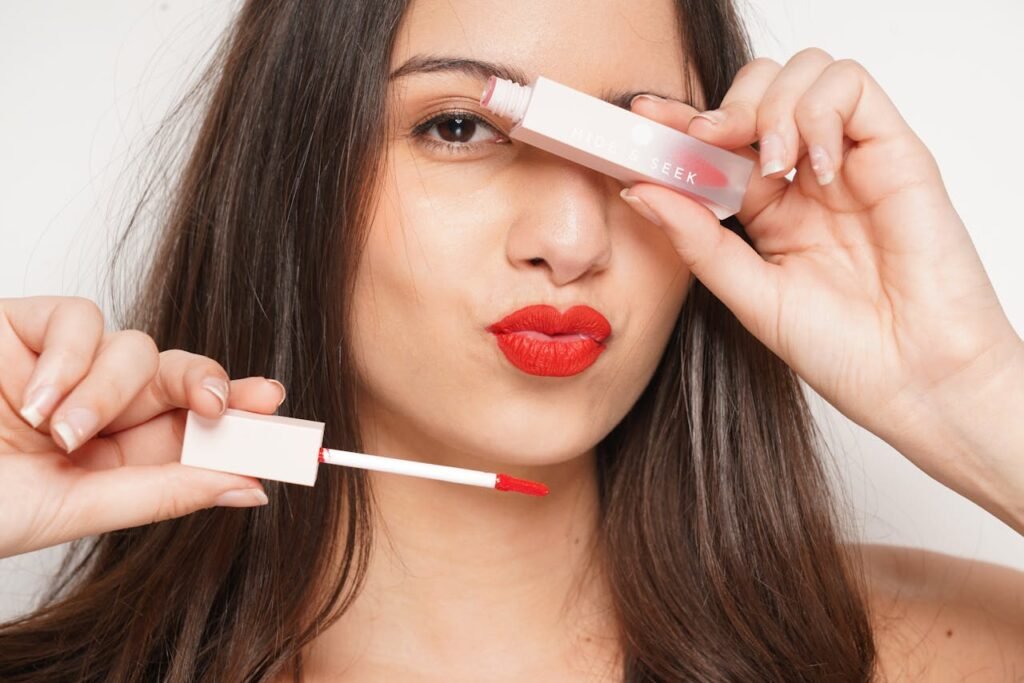
Start by exfoliating your lips, a mixture of sugar and honey works well to give a smooth surface, when preparing for a lipstick application.
When picking a colour, nude lipsticks are best chosen about one to two shades deeper than your natural lip colour, red lipsticks look great on blue-red skin tones, and orange-red skin tones. Gloss enhances the fullness of the lips, matte gives a sophisticated finish and a fine pencil will allow you to precisely overline your lips, but must be kept within the confines of your natural lip edge to avoid a fake look.
Makeup Brushes and Tools Guide: Essential Tools Every Artist Needs
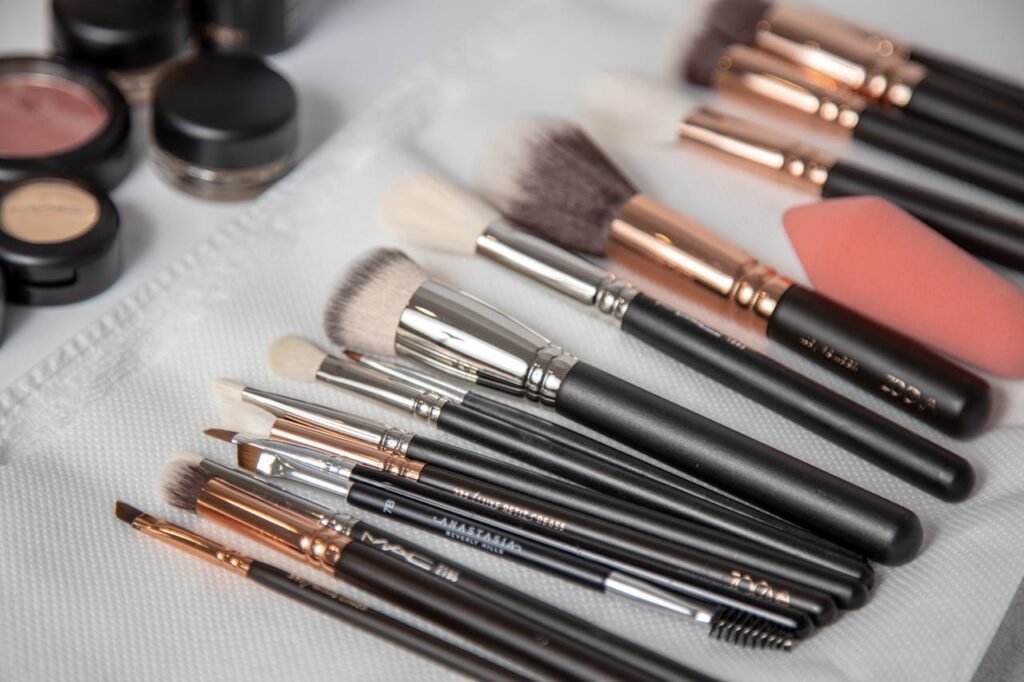
For makeup, good brushes are a worthwhile investment that can last for years.
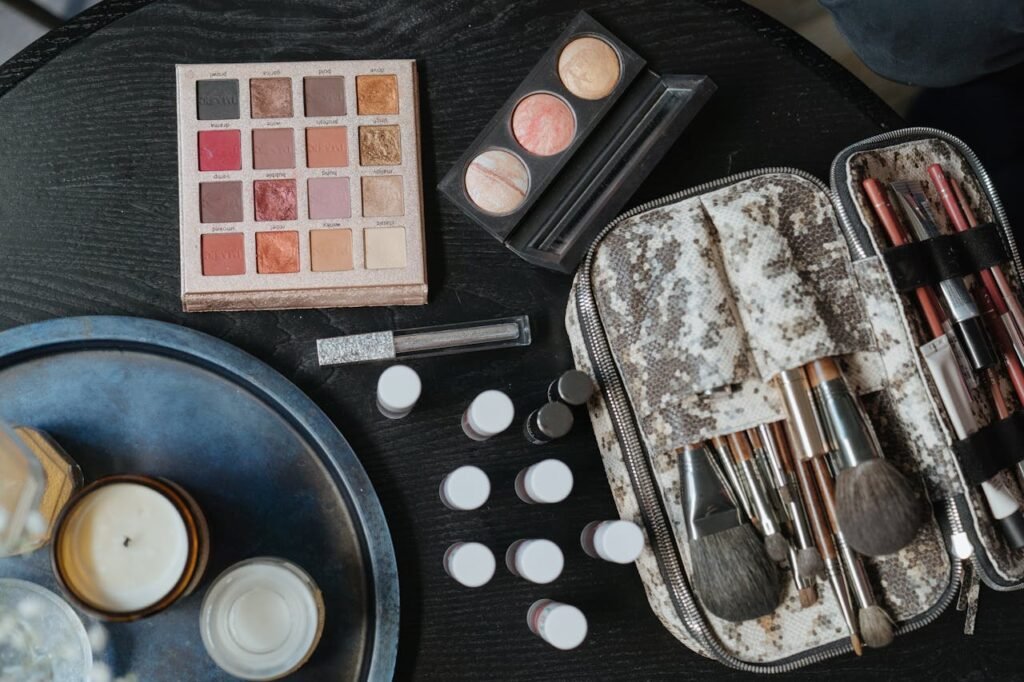
You’ll want to make sure to have a fluffy blending brush, a flat shader, an angled liner, a stippling foundation brush and a tapered face brush for highlighting.
Clean these must-have brushes out weekly using a gentle soap to get rid of any bacteria and resulting patchy application.
There’s no need to go out and buy a whole new set.
Why Professional Education Accelerates Your Progress
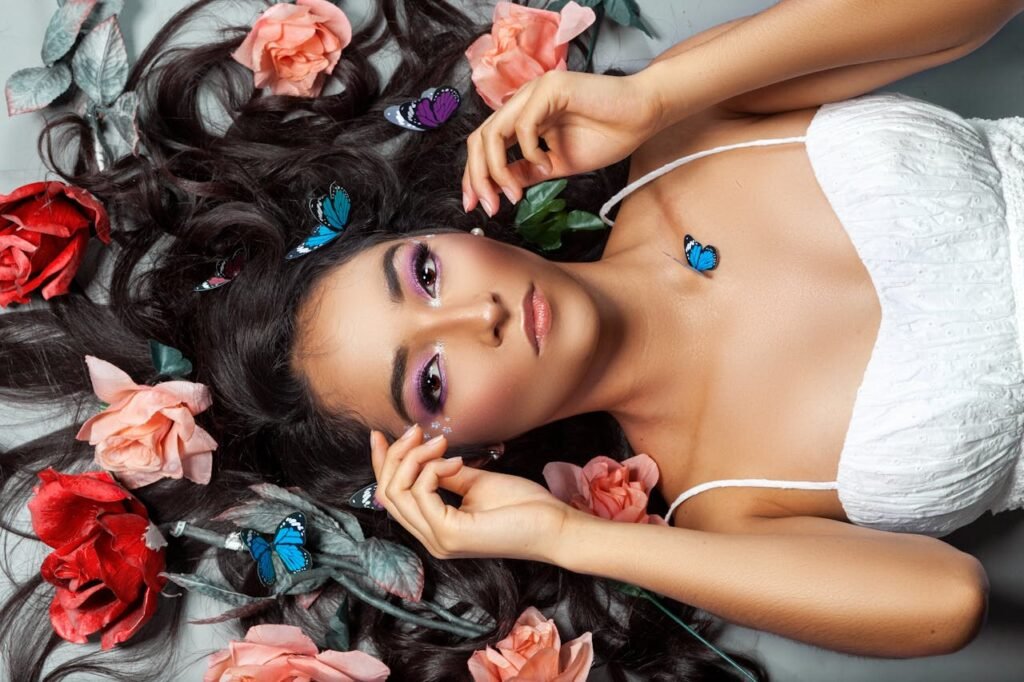
Concerning becoming a makeup artist, nothing is more beneficial than learning from a seasoned professional, and The Artistry Academy Masterclass by Paula Callan is no exception.
This masterclass teaches foundational and advanced techniques, shows step-by-step demonstrations, explains professional product selection and sharing insider tips that are not always available online, and guides you on how to make up for any face shape, age, and skin type. And since it’s designed to be both challenging and intuitive, it was tailored for both beginners who are in dire need of a solid foundation in makeup, and aspiring artists who can benefit from having their talent polished.
Mastering makeup has now become more a journey, than goal-driven affair.
Being all about probing the new techniques, understanding your instruments, and, once you’re in the swing of things, baring the capability to create the looks that suit you to a T and really bring out the best in yourself.
If you’re planning on investing your time and skill, Paula Callan’s Masterclass provides top-notch training, and basically has the power to turn the way you see makeup around completely.