We can feel completely overwhelmed, when starting a weight loss journey. Coming rushing from one diet to the next, following rigid rules and exhausting ourselves on plans that left us starving, drained, and disheartened. It’s easy to feel like weight loss is something that only works for others, and not for us.
Well-known as a relatively simple, nourishing and calming option, smoothies have become increasingly popular for weight loss. In reality, not every smoothie is a weight-losing solution, and this uncertainty can stall progress.
This smoothie diet guide will show you how to harness the power of smoothies.
As a method of weight loss that is more supportive than fad, less restrictive and nourishing and, when done just right, is an effective tool to get you started, energized and healthy. We’ll lay out healthy recipes, meal bowls, weight-loss secrets and the secret to concocting a weight loss smoothie that will fill you up, satisfy you and keep you coming back for more. This guide is all about getting back on track, and won’t lead you down the road of extreme diets.
Smoothie Basics: Why Smoothies Can Support Weight Loss and Health
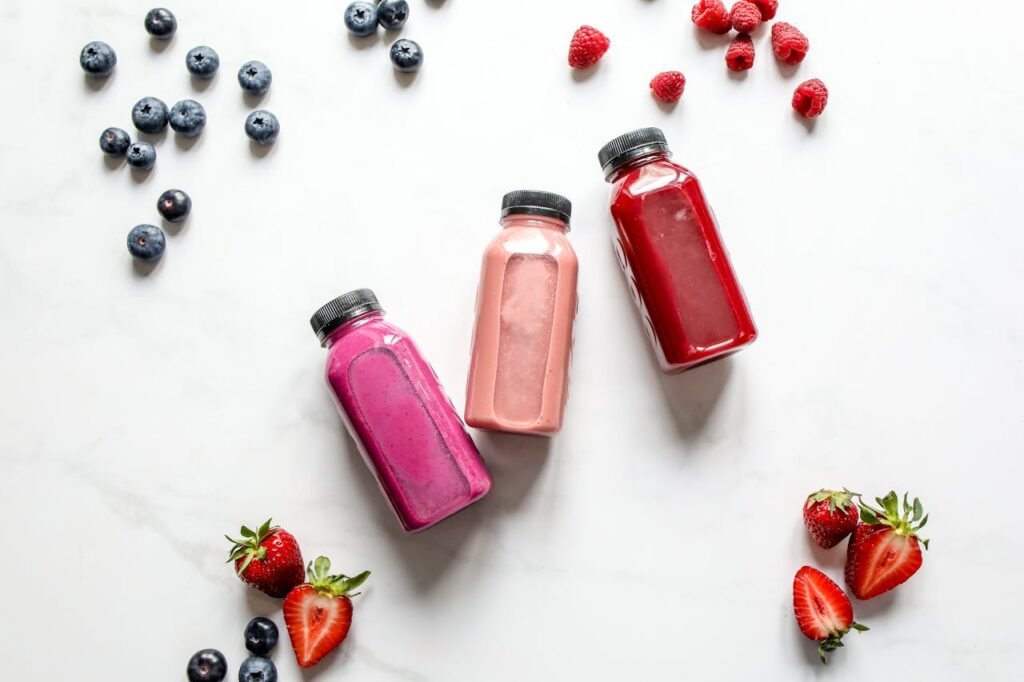
Rather than a sugary snack, and one that should have a good mix of blood sugar balancing, digestion, filling power, and essential nutrients, when blending a smoothie it’s best to view it as a nutritionally balanced meal.
Coming racing off the heels of a meal isn’t really what a smoothie is designed for.
They can be super flexible, and you can adjust them to suit your taste, lifestyle and nutritional needs, something that’s not always possible with other diets.
According to Harvard Health Publishing, meals that contain fiber, protein and healthy fats are fantastic at taming hunger and overeating, principles that apply to well-planned smoothies. When constructed with a clear plan, smoothies can be the foundation of a meal, rather than a hasty shortcut.
Smoothie Recipes vs. “Diet Smoothies”: What Most People Get Wrong

It’s a big mistake to assume that all smoothies are healthy and will be a helpful addition to a weight loss diet, when trying to lose weight.
Store-bought or online smoothie recipes are often loaded with excessive amounts of fruit sugar, sweetened yogurts and juice bases instead of whole foods, almost no protein and barely any fibre.
And although they taste great, send people crashing down to earth, makes them feel ravenous and gives them cravings, and makes it even harder to lose weight.
Well-known weight loss smoothie recipes on the other hand are completely different, and use ingredients such as fibre, protein, healthy fats and low-glycemic ingredients, and aim for nourishment rather than deprivation.
Smoothie Diet Guide: How to Build a Balanced Weight Loss Smoothie
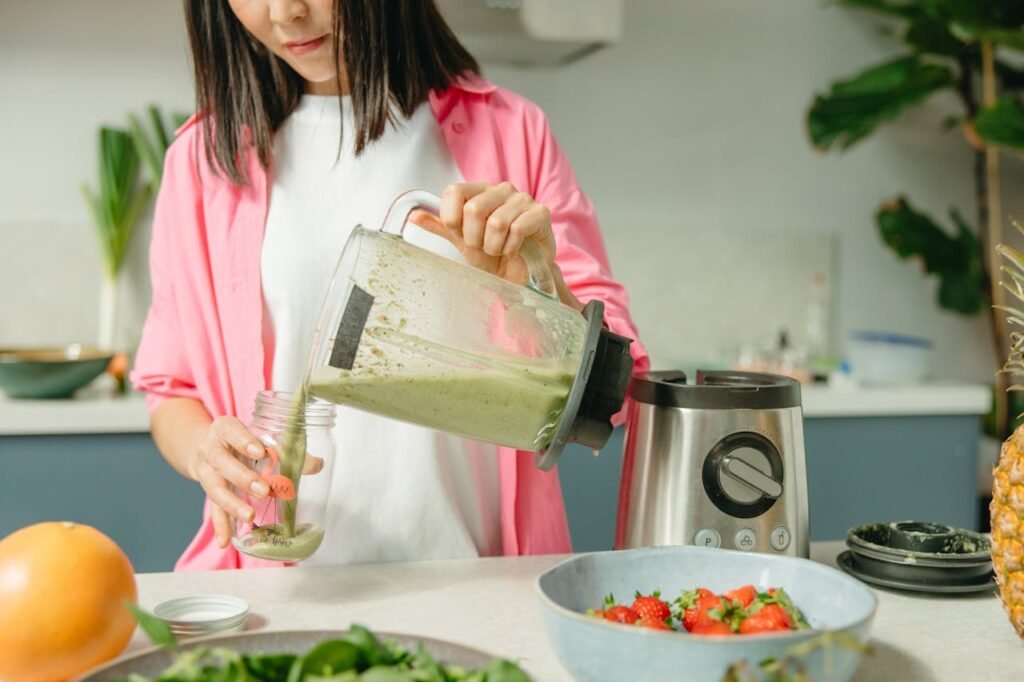
When creating a weight-loss smoothie, you’ll need a liquid base that’s low in sugar, a protein component that’ll fill you up and prevent blood sugar spikes, fiber and greens that aid in digestion and satiety, healthy fats that slow digestion and improve satisfaction, and flavor without adding any extra sugar.
A low-sugar liquid base is usually provided by water, almond milk, oat milk (unsweetened) or coconut water. Protein is a non-negotiable component, as it is very effective in filling you up and stabilising blood sugar levels, and is best given by Greek yogurt, protein powder that contains clean ingredients, silken tofu and cottage cheese. Fiber-rich vegetables, such as spinach, kale, zucchini, cauliflower and chia seeds, help digestion and also add to the bulk of the smoothie, and healthy fats are provided by avocado, nut butter and flax seeds. Flavour can be given by means of cinnamon, vanilla extract, cacao powder and fresh herbs, and turns a smoothie from a snack to a meal.
Lost Weight Smoothie Recipe: Simple, Filling, and Sustainable
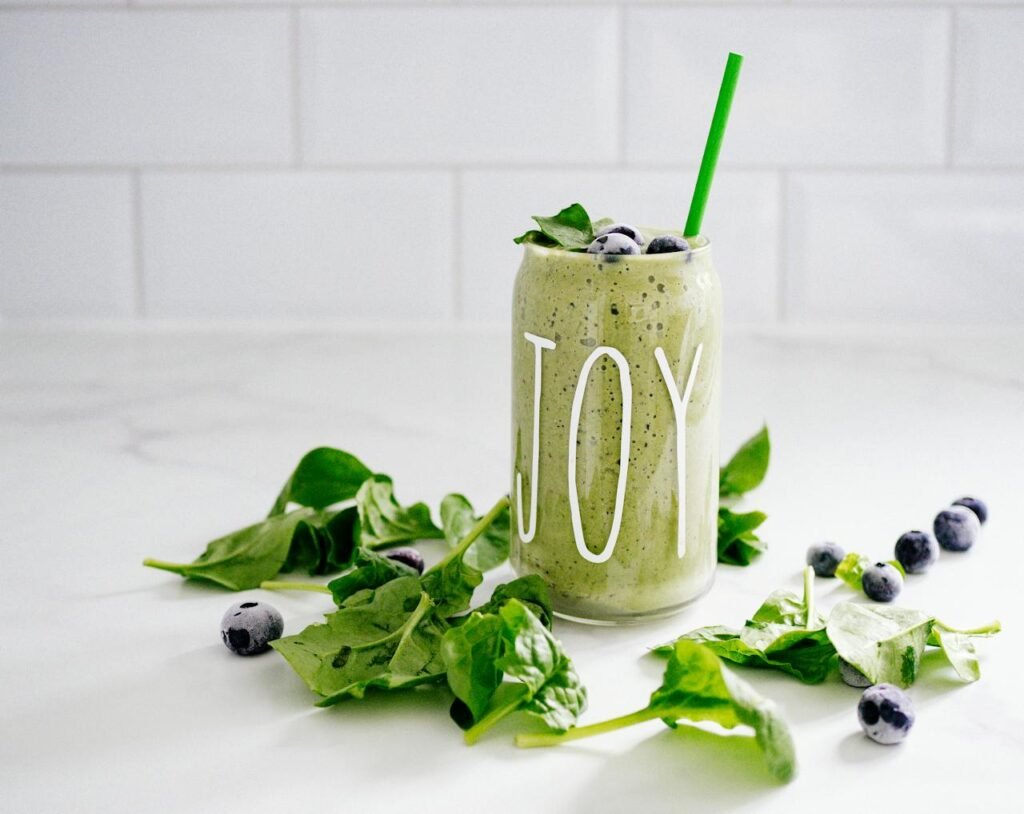
Here’s an example of a lost weight smoothie recipe that supports fullness and energy:
Creamy Green Protein Smoothie
- 1 cup unsweetened almond milk
- ½ frozen banana
- 1 cup spinach
- ½ avocado
- 1 scoop vanilla protein powder
- 1 tablespoon chia seeds
- Ice as needed
This smoothie:
- stabilizes blood sugar
- supports digestion
- keeps you full for hours
Consistency matters more than perfection.
Smoothie Bowls: When and How to Use Them for Weight Loss
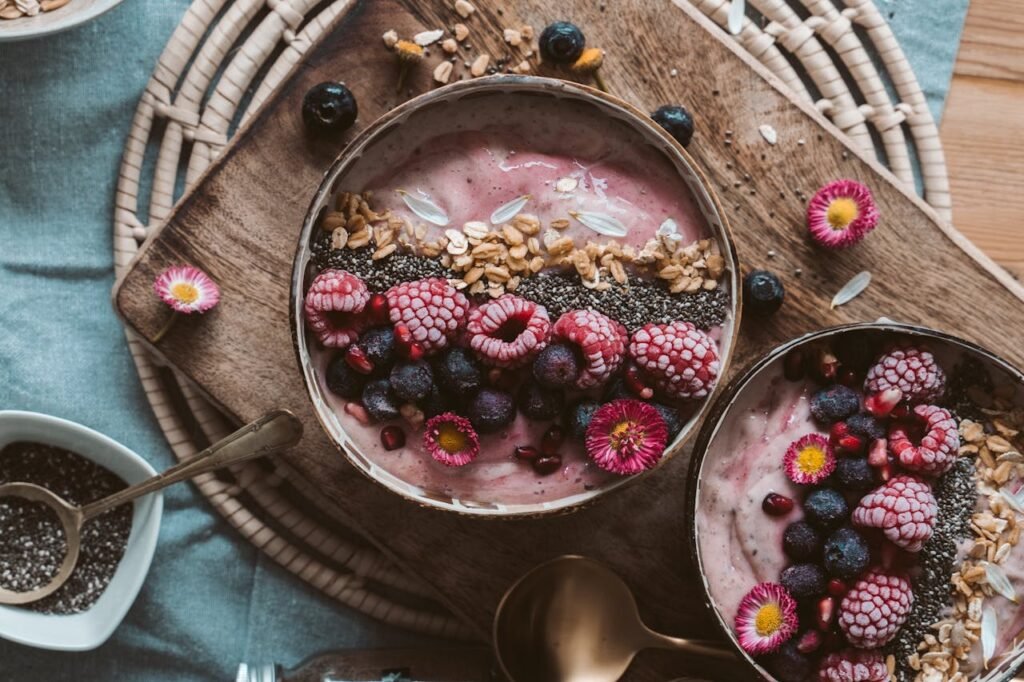
As for a smoothie bowl, its real power lies in being savoured slowly, and loaded with fibre and protein. Coming hurrying through your meal is not going to do it justice.
Toppings such as sliced almonds, seeds, unsweetened coconut flakes and small portions of berries are what turn a smoothie into a meal, in the sense that they add nourishment to what is essentially a liquid meal.
Never make the mistake of overloading your smoothie bowl with granola and sugary additions, the aim is nourishment not a sweet treat.
Healthy Recipes That Don’t Feel Like a Diet
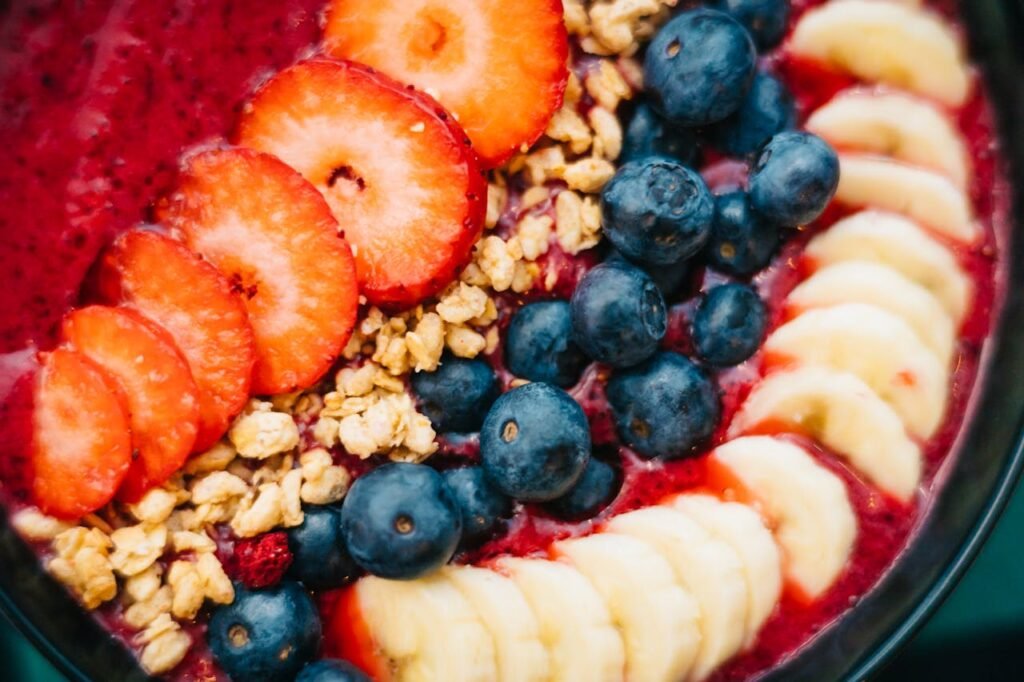
In relation to weight loss, a psychological aspect of consuming smoothies is that they don’t feel like a diet, they’re an enjoyable and refreshing way to eat.
Well-known, healthy recipes that are enjoyable can also be extremely consistent, and that’s what drives results.
Coming rushing home from a long day, smoothies provide a routine that doesn’t get dull, an eating plan that’s not too tight, a healthy meal that doesn’t weigh you down with guilt and, when your food feels safe and delicious, you naturally eat less out of emotional hunger.
Weight Losing Tips That Make Smoothies Work

When discussing weight loss, smoothies are not a miracle solution, it’s the consistency of healthy habits that really matter, and combining your smoothie diet with the following techniques will really get results.
Eat your smoothies as a meal, and not just as an addition, chew when you can, and think about pairing them up with whole meals later in the day.
Drinking plenty of water, being more mindful of how much you’re eating, and getting rid of all-or-nothing thinking are all essential too.
According to the Mayo Clinic, sustainable weight loss is the result of consistent, realistic habits.
Not an extreme plan, so smoothies should be part of a balanced lifestyle.
Common Smoothie Diet Mistakes (and How to Avoid Them)
Some common mistakes to avoid are adding too much fruit, skipping protein, completely relying on smoothies as a meal replacement, and expecting fast results, when creating a smoothie diet.
To rectify these issues, limit the amount of fruit to half to one cup per smoothie, add protein every time you make a smoothie, don’t make smoothies your only meal, and don’t expect instant weight loss.
Progress may not come from the speed of weight loss, but by sustaining consistent eating habits. Emotional eating is the main reason many people are unable to reach a healthy weight and it is a challenge addressed by a smoothie diet as they help you relax and avoid decision fatigue.
A smoothie diet is basically a gentle way to eat and look after both body and mind.
How a Smoothie Diet Guide Creates Structure Without Pressure
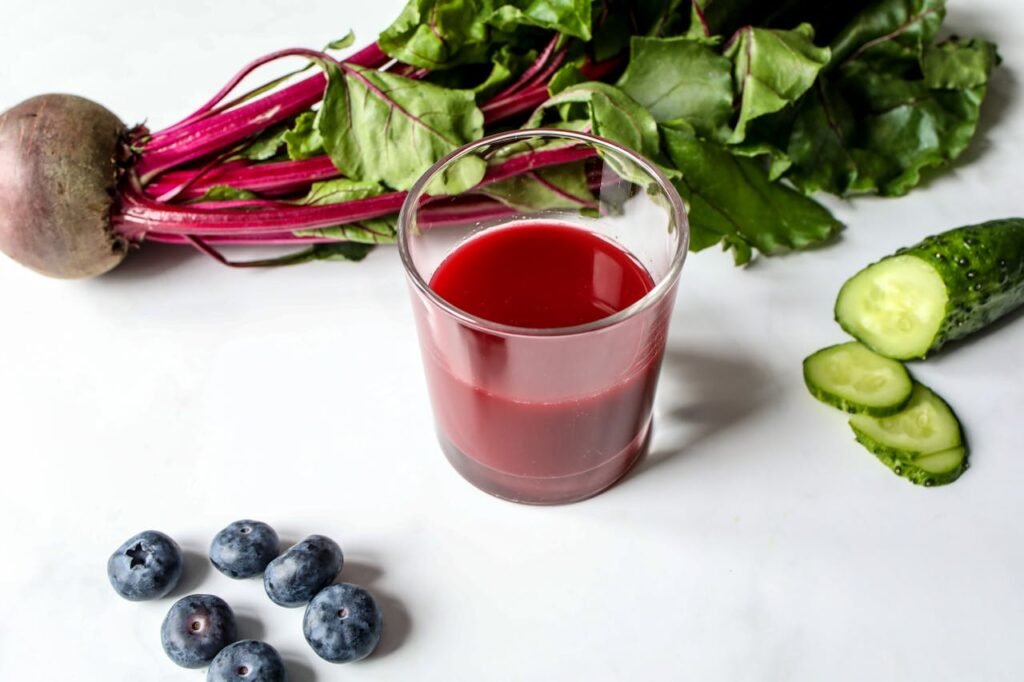
When discussing creating a diet plan, we find that structure can be calming and restriction can be a major turn-off.
Well-known as the recipe for success, a smoothie diet should include clear options, allow for flexibility, adapt to real life, and teach you to listen to your hunger cues.
All of these combined make up the foundation of this balance, in effect giving us the ability to place trust in the smoothie diet, and with this trust comes lasting change.
The quest for the “perfect” smoothie is completely unnecessary, you actually just need something that is simple, repeatable, something you enjoy and easy to stick to, basically something that becomes a regular part of your routine. Weight loss happens when your system gets behind you, day in and day out.
Coming from this, a structured smoothie diet guide takes out all the guesswork, provides healthy recipes, avoids extreme measures, helps you stay consistent and gives you a reassuring plan to follow, rather than asking yourself what to eat each day.
Who a Smoothie Diet Is Best For
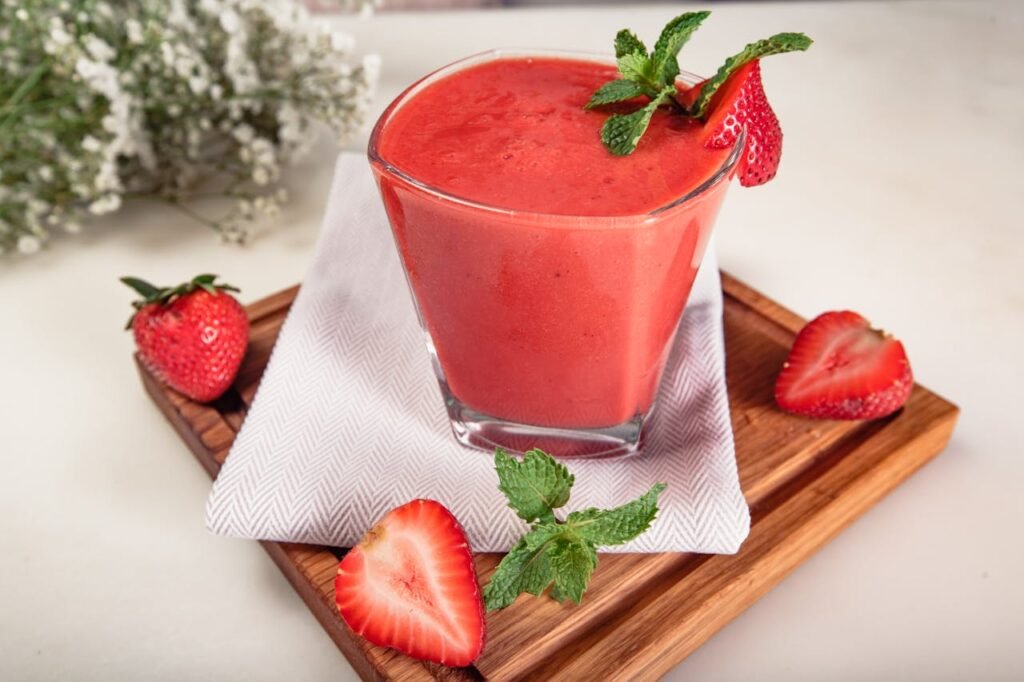
A smoothie diet can be a game-changer, delivering simple weight loss advice, quick nourishing meals and real life, healthy recipes, all without restriction, when we’re feeling overwhelmed by the idea of meal planning.
Coming from a supportive standpoint, a smoothie diet is about providing the help we need, rather than cutting back on anything.
Well-known weight loss struggles don’t necessarily mean we’ve failed, it could mean that the previous diet didn’t fit in with our lifestyle or emotional needs, so if weight loss has been hard, disheartening or just plain difficult, don’t be disheartened.
Smoothies satisfy our need for nourishment, eliminate the stress of complicated recipes, encourage consistency and really back up our goals.
And aren’t meant to be perfect, just supportive.
Your Next Step
If you’re ready for a simple, nourishing approach to weight loss:
👉 Explore the Smoothie Diet Guide
A practical, supportive system with healthy smoothie recipes, smoothie bowls, and weight losing tips designed for real life.
You deserve an approach that works with you — not against you.