
It sounds so simple, but in the real world it’s a minefield of mixed messages. From diets, superfoods, calories, carbs, fats and the “perfect” body, when we say healthy eating. Coming rushing from one extreme to the next, we’re told one day that fat is the enemy and the next day it’s sugar. On top of all that, we’re running on empty time, with hectic schedules, family commitments and stress and suddenly healthy living feels like a full-time job.
Lots of people really want to eat better, feel better and sort out their bodies, but they don’t know where to start or how to stay on track, and that’s made even more difficult by the emotional side of food, it’s a source of comfort, culture, memories and relationships. When eating starts to feel like a source of guilt or uncertainty it can have a huge impact on our mental health, almost as much as it does on our physical well-being.
This is where technology can come to the rescue, food and nutrition trackers and so-called’smart’ analyzers that use positive messages, guidance, and empowerment, and are far from judging. In this post we’ll see how using a little bit of know-how can tame the stress, and give you the confidence to make healthy choices that suit your life, and fit you, like a glove.
Healthy Lifestyle Starts with Healthy Food (Not Perfection)

In terms of living a healthy lifestyle you don’t need to go to extremes, just being aware of what you’re putting into your body and treating yourself with kindness is all it takes.
Healthy eating is about making sensible, informed choices most of the time, rather than trying to eat perfectly every day.
Well-known myths about healthy food are that it means cutting out all the things you enjoy, eating dull meals and counting calories all the time, and beating yourself up over “cheat days”.
However, the reality is that healthy food is about tuning in to what your body needs, learning how different foods affect your energy levels, mood and digestion, and balancing out the need for nourishment and enjoyment.
This is where a nutrition tracker comes in, helping you to spot patterns, notice what’s working and what’s not. Maybe you discover that you feel drained on days with low protein or feel bloated when fibre is too low, a food analyser turns a source of stress into a means of insight.
Healthy living is not meant to control you, but rather to give you the freedom to make life choices.
Why Most People Struggle Without a Food Tracker or Nutrition Tracker

It’s very easy to get caught out, not because you’re failing, but because our brains aren’t wired to remember everything we eat, when you’re trying to eat well but don’t track what you’re consuming.
Some of the problems that people face without a food tracker include underestimating portion sizes, forgetting snacks and drinks, and overeating without realising it. Coming up short on essential nutrients and feeling “off” without knowing why are also common.
Well-known nutrition trackers are essentially able to sort out all these issues very gently, they don’t dictate what you should eat, instead, they show you what you are eating, and how it stacks up against your goals. Clarity is what nutrition trackers are all about, and that’s not about control, it’s about seeing things as they really are.
According to the Harvard T.H. Chan School of Public Health, a balanced diet and mindful eating is key to long-term health and well-being. Well-known trackers give you the data, and with that data comes confidence.
Healthy Food and Emotional Eating: A Supportive Approach

Regarding emotional eating, you’re not a failure, it’s a human response to stress, loneliness, exhaustion, and being overwhelmed. Shaming yourself only makes the cycle stronger.
A well-known food analyzer acts as a surprise emotional support, boosting your curiosity instead of burying you in guilt. It’s there to help you pick out your triggers, displays the bigger picture, and is not here to judge you.
The analyzer also promotes self-reflection, rather than restriction, by letting you see your food intake clearly and assisting you in asking yourself helpful questions such as, “Was I hungry, or was I stressed?”. And “Did this food make me feel better afterwords”, and “what would help me more next time.”. The self-knowledge that builds from this realisation builds self-trust, and self-trust is the foundation of any sustainable healthy lifestyle.
How a Food Analyzer Makes Healthy Food Simple and Practical
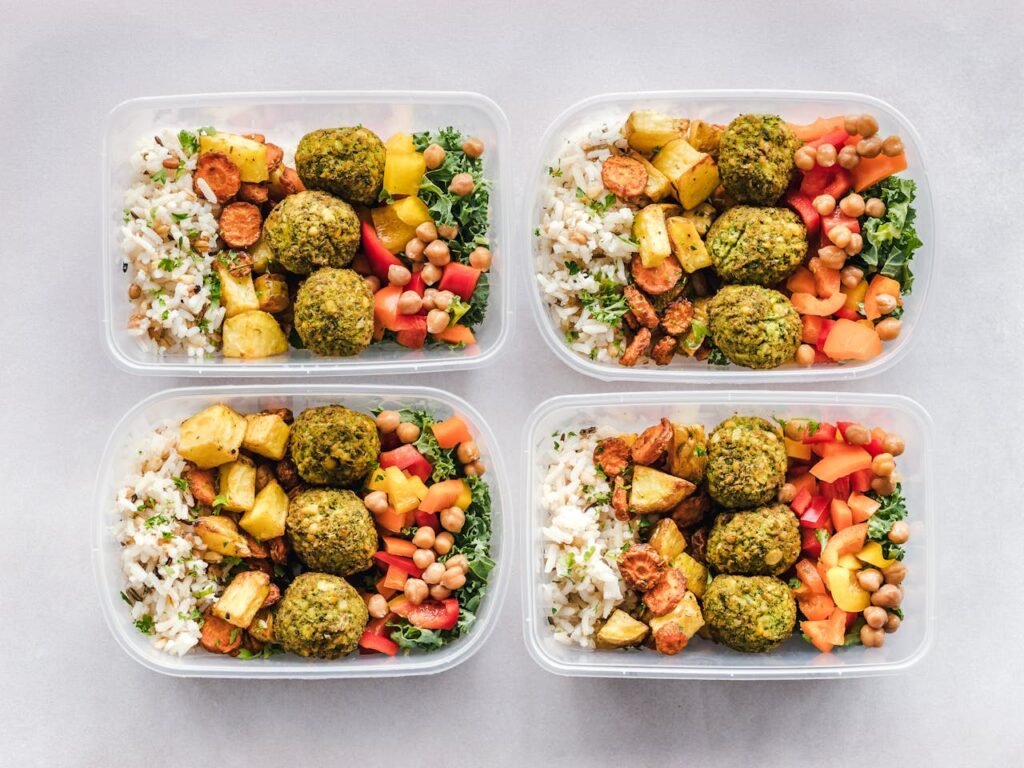
When discussing nutrition, the traditional way of checking the label or guessing the value of ingredients is no longer a necessity. Food analyzers can make this process much simpler, by cutting down the time needed to weigh out every ingredient.
A smart food analyzer can break down the macronutrients, vitamins and minerals, check the size of portions, show the gaps in your diet and customise its recommendations to your individual needs, allowing you to have more time for living your life while still on the right track to healthy eating.
Coming rushing through the store won’t be a problem anymore, knowing exactly which foods are high in iron and fibre, or low in protein, and how they affect your energy levels.
Healthy Lifestyle Is Built on Consistency, Not Motivation

Regarding living a healthy life, motivation can be unreliable, it waxes and wanes, much like a mood. A healthy lifestyle requires a different kind of approach, one that doesn’t rely on motivation but on systems.
One thing that can be found to be super helpful in building and maintaining healthy eating habits and lifestyle is a food tracker. Providing you with daily routine, gentle accountability, and visual progress charts, it goes beyond willpower to give you momentum in the long-term.
It’s okay to miss the mark, and even when you’re at a low, knowing what and why you’re tracking helps and keeps you in touch with your goals.
And that’s all you need, to be aware.
Over time, consistency builds into the habit and can feel very natural, and not forced, and when you finally reach your targets, you’ll know exactly how you got there.
Nutrition Tracker Insights That Actually Change Behavior

As using a nutrition tracker one of the things that’s most helpful is getting feedback that’s straight from the source.
For example, “you’re running low on fiber and one piece of fruit will sort that out”, “your protein intake drops on hectic days.
You could try something quick and easy”, and “well done on the hydration front today”.
This kind of constructive criticism makes nutrition feel more of a learning process than a strict set of rules.
The World Health Organization reminds us that a balanced diet plays a massive part in stopping chronic disease and raising the quality of life, and that’s what makes a nutrition tracker so valuable.
Healthy Food for Real Life (Not Social Media)

Looking at the world of social media, it’s clear that healthy eating is often presented in an unrealistic way, think perfectly plated meals, expensive ingredients and endless time.
Well-known food analyzers adapt to these realities, offering personalized advice that’s built for real life. This includes home-cooked meals, takeout and restaurant options and food from different cultural backgrounds. Coming to terms with the fact that healthy food is not one-size-fits-all is what’s important, as it’s the body, culture and lifestyle that matters, more than rigid dietary rules.
Tracking of diets is meant to be about your own improvement and not a mindless copycat, so try and don’t feel defeated by someone else’s progress.
Food Tracker for Long-Term Health, Not Quick Fixes
Extreme measures don’t work because they don’t teach anything, they just show you how to lose weight quickly, when trying to diet. Well-known as crash diets, these plans leave people out in the cold when they’re done, because they haven’t given them the tools to maintain a healthy weight.
A food tracker, however, helps you develop the skills you need to achieve and maintain a healthy weight. These include portion control, balanced nutrition, mindful eating, and self-regulation, and over time, you’ll find that you don’t need the tracker anymore, not because you’ve stopped using it, but because you’ve internalized the discipline.
Using a Nutrition Tracker Without Obsession

Concerning food tracking, a fear is that it can be all-consuming, and in the wrong hands, it can be. Well-known nutrition trackers, however, are constructed with a different idea, to prevent this sort of problem.
Healthy tracking can be defined as using food data to inform you, not judge you, zeroing in on trends rather than single days, giving yourself space and flexibility, and stepping back when you need to. Your tracker should be working for you, not against you.
Healthy Lifestyle Is Physical and Mental
You’re not just nourishing your body, you’re also influencing your mood, focus, sleep, stress levels and energy, when you eat.
Well-known as a food analyzer, this connection you make between what you eat and how you feel is exactly what builds self-awareness and gives mental health a boost that is on par with physical health.
You, and your mental health, deserve to feel good.
A Kinder Way to Live Healthy

When discussing choosing healthy food, using a food tracker, nutrition tracker, or food analyzer doesn’t mean sacrificing joy, or losing your freedom. On the contrary, it’s about gaining a profound understanding of what you eat, building confidence, and gaining peace of mind, for a healthier life that doesn’t feel a grind.
Health and fitness is not about fixing, its about backing yourself up; fixing yourself is not healthy. When you’ve felt defeated, disheartened, or lost on the health front, don’t panic, because you’re in good company. Lots of people have been there, and there are heaps of people who still are.
Your body is deserving of care, your mind is deserving of kindness, and so are you, and you should be armed with tools that support all three.